Makeup / Squeeze-tube Primer
Primer
Development
Before the colour.
A considered beginning.
Begin a private-label primer project with its role in the makeup routine. Define your preparation or colour-reference direction, the desired texture and a squeeze-tube presentation for a focused development brief.
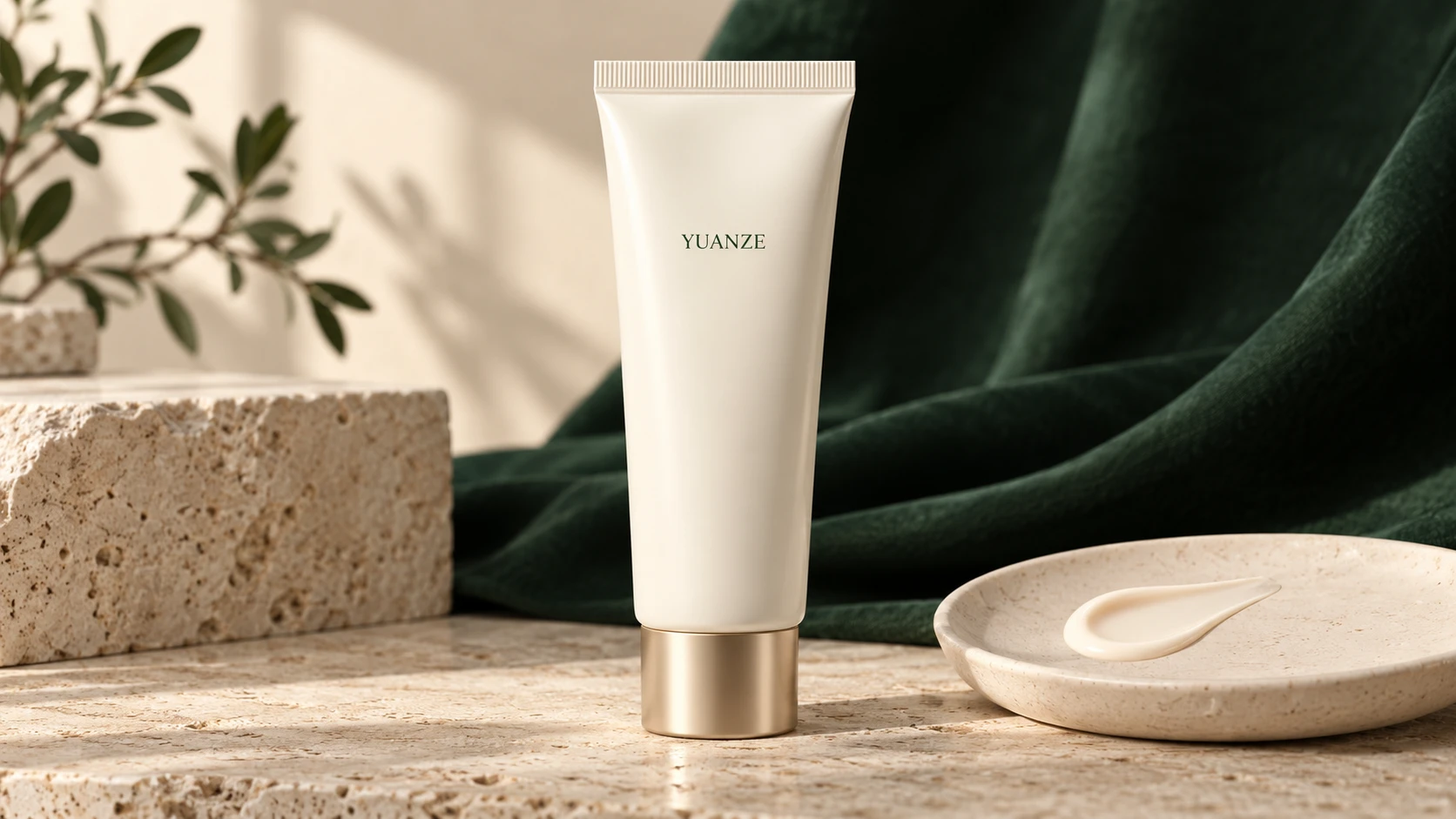
B2B · PROCUREMENT BRIEF
Primer texture & component options
Compare the development brief before selecting a formula or component.
| Parameter | Development options | Confirmation checkpoint |
|---|---|---|
| Water-gel direction | Silicone-Free Water Gel | Confirm the final INCI and water-gel texture before making a silicone-free claim. |
| Soft-focus direction | Pore-Blurring Velvet | Define the blurring and velvet-feel benchmark; validate claims on the final sample. |
| Illuminating direction | Illuminating | Agree the luminosity, tone and finish with a reference sample. |
| Packaging | Squeeze Tube / Airless Pump | Confirm fill volume, material, neck/closure and pump output; test formula–pack compatibility. |
| MOQ planning reference | ~1,000–3,000 units | Confirm the minimum per formula, shade and component in the project quotation. |
| Lead-time planning reference | 15–45 days | General site planning window; confirm the schedule after formula, shade and packaging approval. |
Development options, not verified stock specifications. MOQ and timing are planning references; confirm the quotation for the formula, shade and component. No SPF rating or performance result is implied.
Physical Product Format
A squeeze tube.
One coherent format.
The primer project begins with a tube presentation. Colour references and texture directions belong to formulation discussion; they are not additional physical formats.
Format / Squeeze tube
Define the formula.
Review its delivery.
Discuss consistency and spreading feel alongside the proposed tube opening, cap and handling. Tube material, capacity, closure details and commercial availability require confirmation for the actual configuration.
This family does not imply a bottle, jar, compact or separate applicator offering. Keep the tube reference specific while reviewing the formulation and presentation together.
Review the tube configurationDevelopment Directions
Define the role.
Then develop the primer.
Three ways to frame a primer conversation. Use the direction to describe your project intent, not to choose a finished formula or assume a particular result.
Describe how you want the primer to sit within a makeup-preparation routine.
Frame a colour-correction project around the tone reference and appearance you want to discuss.
Use a lightweight primer direction to discuss fluidity, spreading and the desired preparation experience.
Select a direction to carry it into your brief. The first preview does not select a buyer requirement.
01 / Project role
Preparation,
defined by your reference.
Describe how you want the primer to sit within a makeup-preparation routine. A hydration-oriented brief can begin with your benchmark, texture and intended application context.
Bring into the discussion
Which spreading feel and texture matter? What should the sample be reviewed alongside? Define the consumer and market rather than assume a universal skin response.
Agree the sample questions Brief this direction02 / Colour reference
Start with a reference.
Not a shade list.
Frame a colour-correction project around the tone reference and appearance you want to discuss. Review the proposed primer sample in its intended routine before agreeing any finished-product description.
Bring into the discussion
A reference product or sample, intended makeup pairing, consumer context and desired appearance. Exact colour, effect and feasibility need project-specific review.
Prepare the colour conversation Brief this direction03 / Texture direction
A lighter feel.
A specific brief.
Use a lightweight primer direction to discuss fluidity, spreading and the desired preparation experience. It remains a sample-development target, not an established performance promise.
Bring into the discussion
Clarify the texture benchmark, how the primer will be used and the tube-dispensing reference. Any proposed product wording needs its own evidence and market review.
Connect texture with the tube Brief this directionPreviewing the makeup-preparation direction. Your brief remains general.
Colour Reference
Describe the intention.
Bring the reference.
A colour conversation starts with what you want the primer project to explore. It is not a preset shade range or a guarantee of a correction result.
Make the starting point clear.
Bring a product, sample or tone reference and explain its role in your routine. Describe the appearance you want to compare without treating an editorial image as a colour specification.
Add your referenceKeep the routine in view.
Identify the intended makeup pairing, consumer context and target market. The primer reference belongs to its own development brief; it is not a foundation coverage or finish system.
Explore Foundation separatelyAgree how to compare.
Define the sample-feedback questions, proposed wording and evidence responsibilities. The actual colour and appearance direction remain subject to project review.
Prepare validation questionsComponent / Packaging
The tube and texture.
Considered together.
Connect the primer sample with a tube, closure and presentation reference. Review how the formulation and component work together before agreeing the final specification.
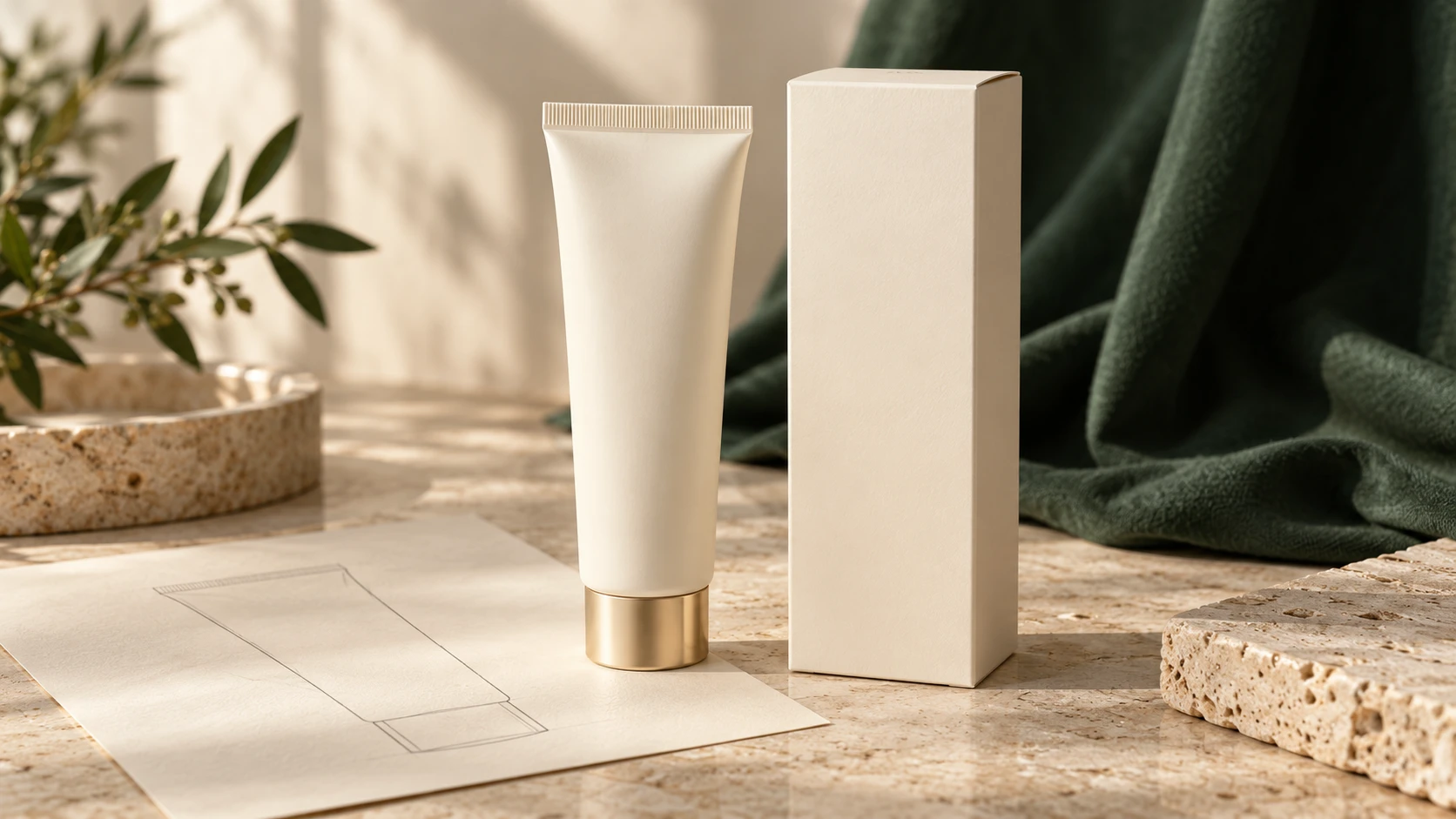
One configuration. Reviewed as a whole.
Explore PackagingDevelopment & review notes
Discuss tube material, capacity, opening and closure against the actual primer consistency. Agree containment, dispensing and handling questions before decoration and carton presentation. The component reference is not a confirmation of stock or specification.
Use the cosmetic packaging decision guide to prepare your component and approval questions.
Customization Questions
Useful questions.
A sharper starting point.
Separate your requested primer role from the details the project still needs to confirm. Bring these five conversations into one brief.
Primer role
Is the conversation about makeup preparation, a colour reference or a lightweight texture direction? Explain why that role matters to your intended routine.
Colour & benchmark
What reference product, sample or tone direction should be reviewed? Identify the aspects you want to compare rather than request an assumed shade code.
Texture & use context
What consistency, spreading feel and preparation experience are you looking for? Describe the intended pairing and application context.
Tube & presentation
What tube, opening, closure and carton references should guide discussion? Specifications and component availability are project decisions, not assumptions.
Market & project scope
Which consumer, target market, quantity estimate and intended timing should guide review? Include proposed claim wording and evidence questions before publication.
Development & review notes
Development Journey
Five connected steps.
One primer brief.
Keep the primer role, colour reference, texture and tube decisions connected through the accepted development journey. Each step carries the relevant inputs into the next review.
- 01
Product Brief
Define the Primer project role, benchmark, target market and consumer. Add the tube reference, quantity estimate and intended timing.
Prepare inputs - 02
Formula Development
Discuss colour reference, texture and preparation context with the proposed sample. Agree feedback questions and evidence responsibilities.
Product Development - 03
Packaging Alignment
Review the primer sample with its tube, opening and closure. Confirm the compatibility checkpoint before presentation approval.
Packaging - 04
Quality Validation
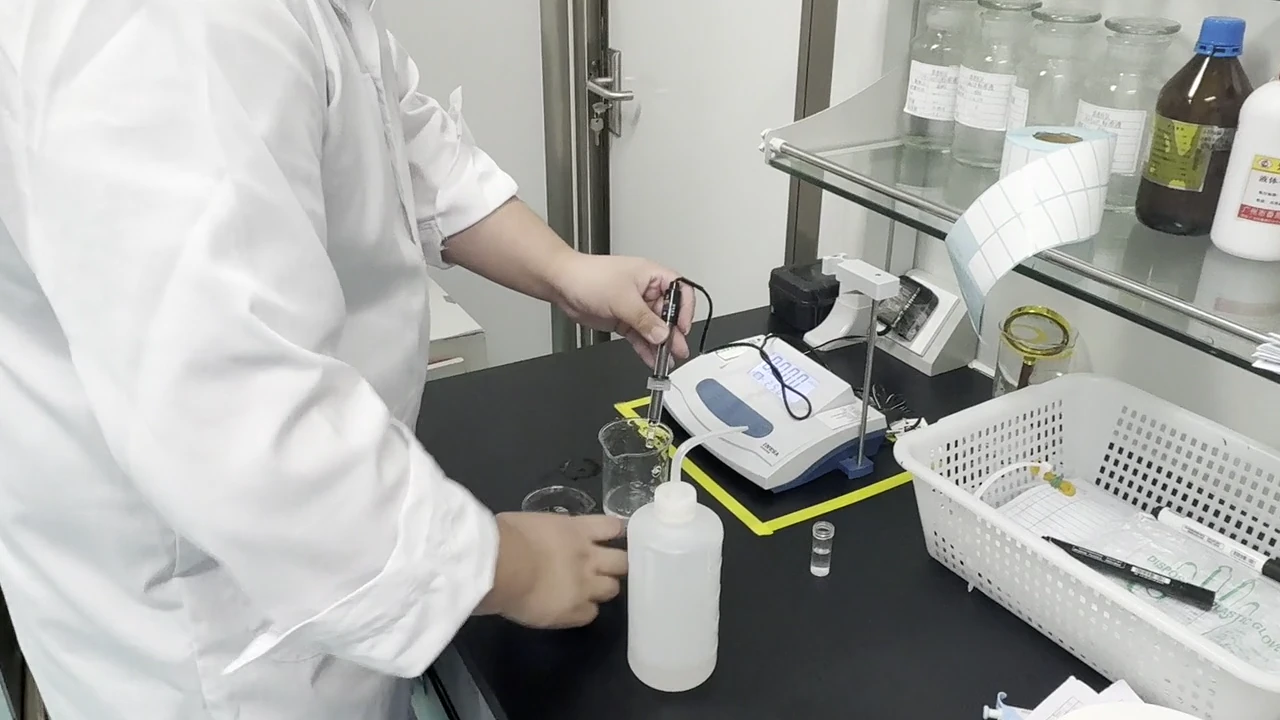
Agree sample, stability, component and market-specific review questions. Keep proposed wording separate from substantiated results.
Quality Control - 05
Manufacturing
Carry approved formulation, component and documentation into production preparation. Confirm the applicable scope and handoff responsibilities.
Manufacturing
Organize feedback with the cosmetic sampling process guide.
Quality / Validation Questions
Agree the evidence.
Before the wording.
What does the actual Primer proposal need to demonstrate? Define sample and component review around the intended routine and market. A development direction alone is not a finished-product result.
Product-specific review questions
- 01 / Colour reference & sample feedback
- Which reference and appearance questions should guide comparison? How should the project record feedback on the proposed sample?
- 02 / Formulation & stability
- Which formulation, stability and compatibility questions apply to this configuration? Agree the checks, conditions and documentation needed.
- 03 / Tube, closure & dispensing
- How should sample consistency, tube opening, containment and handling be reviewed together? Which component details remain to be confirmed?
- 04 / Market & product wording
- What proposed claims and market requirements need review? Agree applicable evidence and substantiation responsibilities before using finished-product wording.
Manufacturing Connection
Resolve the configuration.
Prepare the next handoff.
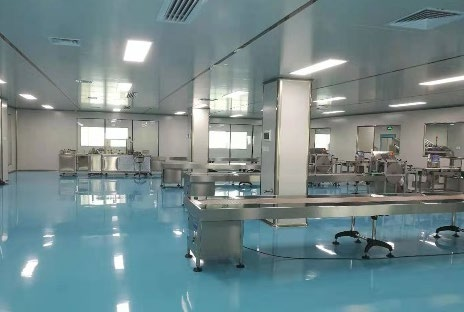
Carry the approved primer formulation, tube and presentation decisions into manufacturing preparation. Confirm the applicable bulk, filling, closure and inspection pathway for the proposal.
Discuss process controls and documentation for the actual configuration. The workshop view does not establish a dedicated Primer line, capacity or performance result.
Quantity and intended timing remain planning inputs until the project scope and commercial terms are confirmed.
Explore ManufacturingB2B Questions
Clarify the primer.
Before the project.
How does a private-label Primer project begin?
Begin with the intended role in the makeup routine, a reference product or sample, desired texture and target market. Add the tube direction and estimated quantity. Yuanze can then review scope, feasibility and next development questions.
Can we discuss a colour-correction reference?
Yes. Describe the tone reference and appearance you want to explore, along with the intended routine and consumer context. The proposed sample, wording and feasibility require review; a preset shade range or correction outcome is not assumed.
What physical format does this family use?
The starting format is a squeeze tube. Tube opening, closure, capacity, material and dispensing questions are confirmed with the formulation and component proposal. A bottle, compact or separate applicator is not an additional format offered by this page.
How should texture and skin feel be described?
Bring a benchmark and explain the consistency, spreading feel and preparation experience you want the sample review to consider. Specify what matters most in the intended makeup routine rather than assume the same response for every consumer.
Can the tube and packaging be aligned with the formula?
Discuss the tube, closure and carton references alongside the actual primer sample. Specifications, compatibility, availability and commercial terms are confirmed for the project.
How are proposed product claims reviewed?
Supply the intended wording and target market. Agree the relevant evidence, testing scope and review responsibilities before publishing a finished-product statement. A request in the brief is not confirmation that a claim can be used.
What should the project quantity and timing include?
Share a planning estimate and intended launch window. Formulation, component and approval scope affect the commercial conversation; quantities, terms and dates are confirmed through project review.
How does validation connect to manufacturing?
Carry the approved primer sample, tube configuration and documentation into production preparation. Confirm the applicable controls and handoff responsibilities through the Manufacturing resource.
Start the Project
Bring the brief.
We'll map the evidence.
Prepare the known inputs below. Leave undecided items open, then continue to the existing Product Brief to review your request and add contact details.
These are your project requirements, not confirmed formulas, colours, components or delivery terms.