Makeup / Liquid Foundation
Foundation
Development
A colour direction.
A considered finish.
Shape a private-label liquid foundation project around custom colour, the intended skin feel and a dewy or matte direction. Bring your coverage target and component reference into the same development brief.
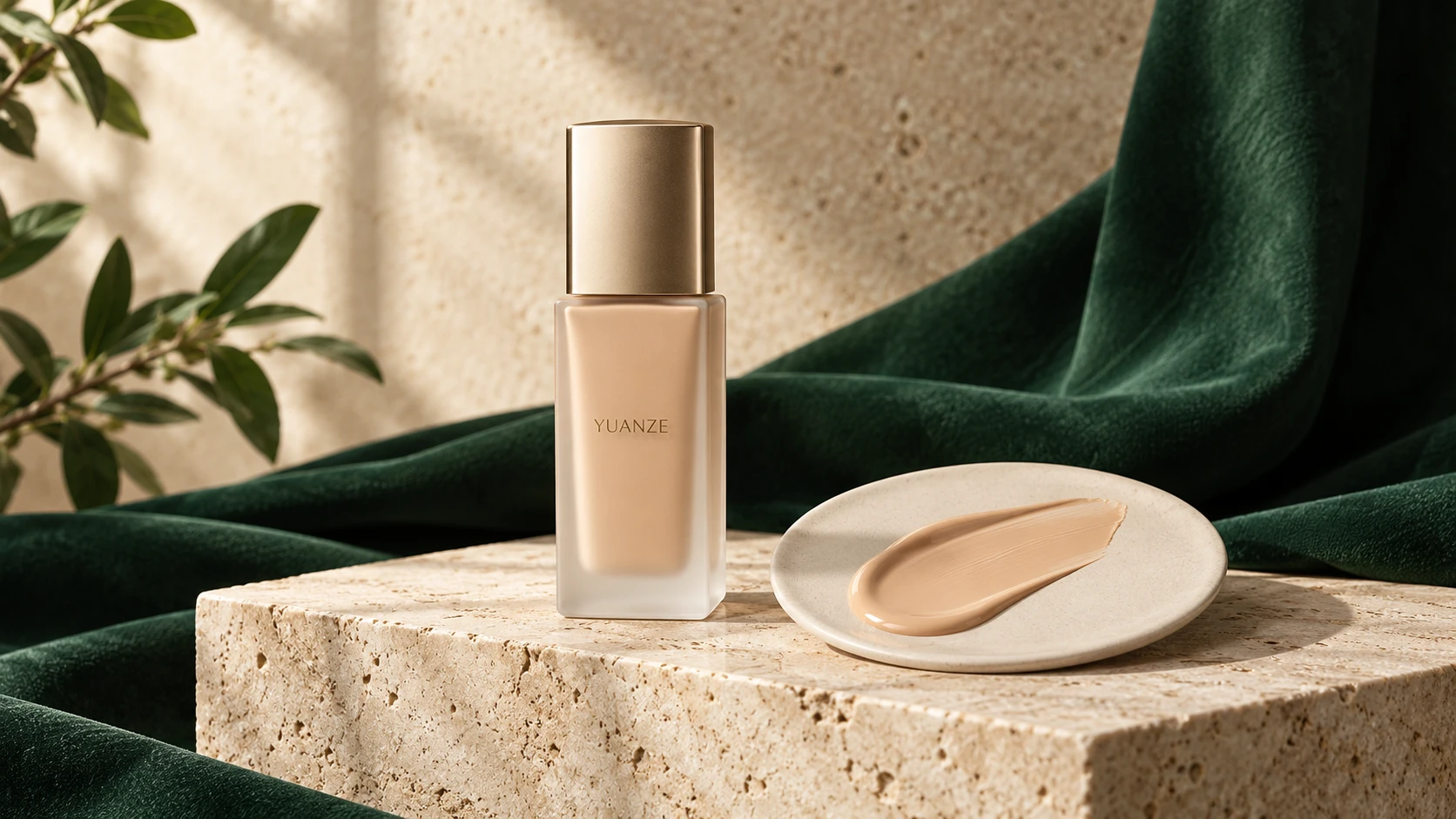
B2B · PROCUREMENT BRIEF
Foundation procurement parameters
Compare the development brief before selecting a formula or component.
| Parameter | Development options | Confirmation checkpoint |
|---|---|---|
| Coverage | Sheer to Full | Agree the coverage benchmark and assess the actual sample. |
| Finish | Matte / Dewy / Satin | Review finish, wear and skin feel with the proposed sample. |
| Shade range | Warm / Cool / Neutral · multi-shade customization | Confirm shade count, matching standards and minimum quantity per shade. |
| SPF co-development | SPF co-development request | Any SPF claim requires appropriate testing of the finished formula. No rating is pre-approved. |
| Packaging | Airless Pump / Glass Bottle | Confirm fill volume, material, neck/closure and pump output; test formula–pack compatibility. |
| MOQ planning reference | ~1,000–3,000 units | Confirm the minimum per formula, shade and component in the project quotation. |
| Lead-time planning reference | 15–45 days | General site planning window; confirm the schedule after formula, shade and packaging approval. |
Development options, not verified stock specifications. MOQ and timing are planning references; confirm the quotation for the formula, shade and component. No SPF rating or performance result is implied.
Physical Product Format
Liquid foundation.
One clear format.
The core format is liquid foundation. Define flow, texture and intended handling before aligning the component; a different appearance direction does not create a different physical product family.
Core physical format
Liquid Foundation
Use a fluid, bottle-presented foundation as the starting conversation. Review the sample’s consistency and application feel with the proposed component instead of selecting packaging on appearance alone.
Colour, dewy or matte direction and the coverage target belong to formulation review. Bottle, closure and dispensing belong to the component discussion; their specifications and availability need project confirmation.
A separate compact or other makeup format is not implied by this liquid-foundation brief.
Connect the format with its componentDevelopment Directions
Begin with the look.
Define the project.
Choose a foundation development conversation, not a finished formula from a stock catalogue. The desired appearance, consumer context and sample feedback help define the next review.
Discuss a fluid foundation with a dewy appearance and the skin-feel reference your buyer intends to develop.
Begin with a matte appearance and an oil-control requirement as a project target.
Set a coverage target for the foundation project and define how the proposed sample should be compared with your benchmark.
Three starting directions. One liquid-foundation development brief.
Development conversation
Hydrating / Dewy Direction
Discuss a fluid foundation with a dewy appearance and the skin-feel reference your buyer intends to develop. A dry-skin consumer brief can inform the sample questions; suitability and the finished result are assessed for the actual proposal.
Define the reference
Bring a colour reference, preferred texture and an appearance benchmark. Separate the desired finish from any hydration wording you want the project to support.
Sample & component review
Compare the proposed colour, spreading feel and finish with the brief. Review the bottle and dispensing direction alongside the liquid sample.
Define colour & finishDevelopment conversation
Matte / Oil-Control Direction
Begin with a matte appearance and an oil-control requirement as a project target. A normal or oily-skin consumer reference can shape the brief without establishing a finished suitability or performance result.
Define the reference
Describe the desired surface appearance, texture and wearing conditions. Agree which sample observations and evidence would be needed for the intended public wording.
Sample & component review
Carry colour, finish and dispensing questions into review of the actual liquid sample. Wear duration and performance statements require a separately agreed validation scope.
Review validation questionsDevelopment conversation
Coverage-Focused Direction
Set a coverage target for the foundation project and define how the proposed sample should be compared with your benchmark. A coverage-focused brief is a development conversation, not a verified set of coverage levels.
Define the reference
Explain the intended appearance and application context. Bring a benchmark or sample reference so the project can agree assessment criteria rather than assume a universal result.
Sample & component review
Review colour, texture, spreading and the coverage target together. Connect the sample with the selected component and the evidence required for its proposed wording.
Describe your coverage targetHydrating / Dewy Direction selected.
Colour / Finish / Coverage
Make the appearance
a precise conversation.
Custom colour development is a starting point. Agree the reference, appearance target and review method for the actual sample; do not treat an editorial colour or texture as a ready-made shade offering.
Start with your colour.
Foundation colour can be customized. Supply a reference product, sample or colour direction, with the target market and consumer profile. The shade-development discussion is defined around those inputs, not a preset shade count.
Prepare a colour referenceDewy or matte.
Use dewy and matte as appearance directions for development. Review the intended finish with the actual colour, texture and sample feedback rather than assume the same result for every proposed formula.
Compare project directionsDefine the benchmark.
Describe the coverage target and the appearance you want to compare. Agree sample criteria and application context; the project does not begin with a catalogue of verified coverage levels.
Agree sample criteriaAsk what needs validation.
Share wearing conditions and any performance wording your market requires. The project must agree evidence and testing scope before those requirements can become finished-product statements.
Frame the evidence questionsComponent / Packaging
Align the liquid.
With its component.
Begin with a bottle direction, then discuss closure, dispensing and secondary presentation with the proposed formulation. Component selection is a linked development decision, not a stock-packaging checklist.
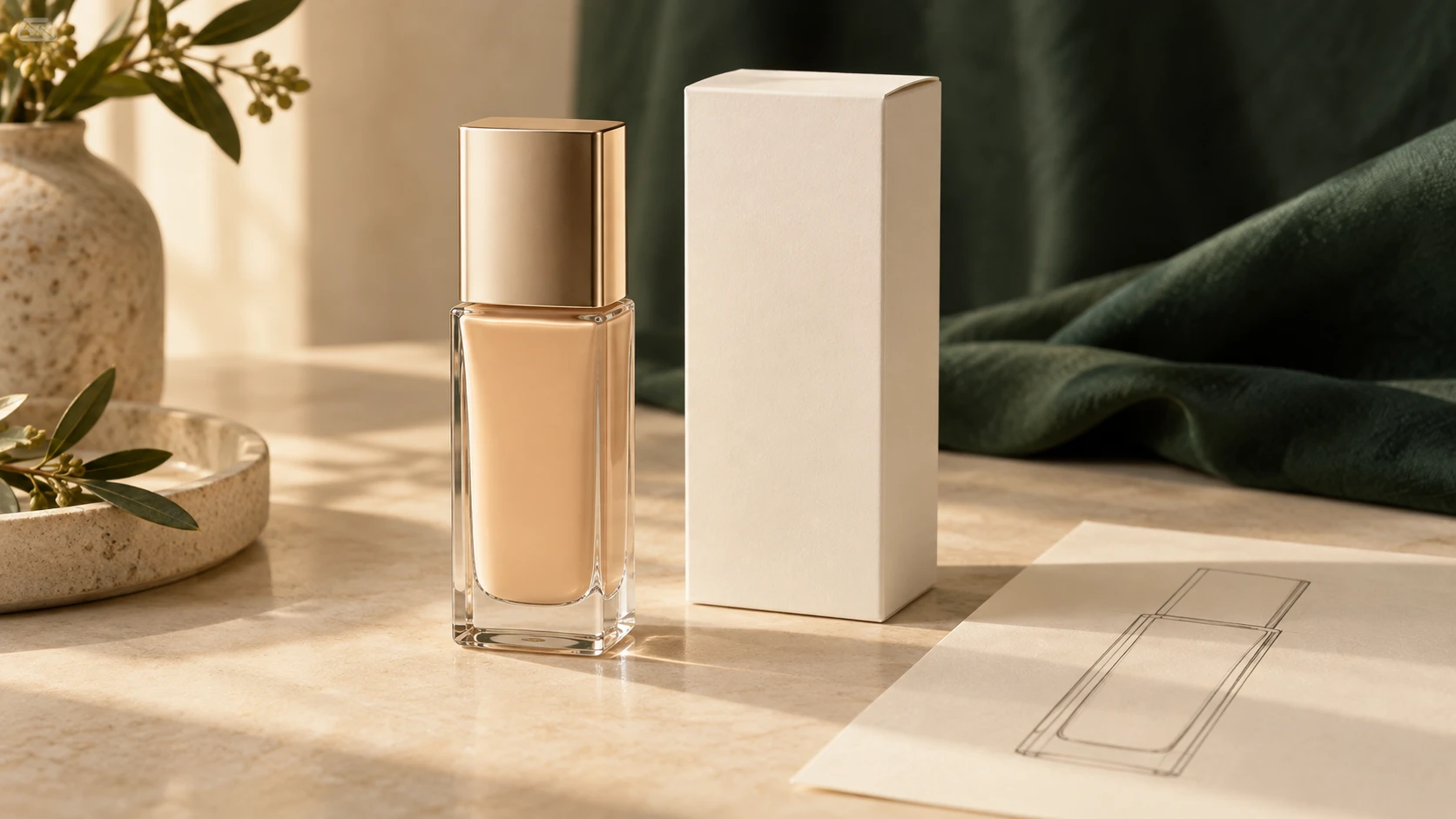
One configuration. Reviewed together.
Explore PackagingDevelopment & review notes
Review the bottle material, opening, closure and dispensing direction against the actual sample. Confirm flow, containment and compatibility questions before agreeing decoration and carton presentation. Specific component availability, capacity and commercial terms are confirmed for the project.
Use the cosmetic packaging decision guide to prepare your component references and approval questions.
Customization Questions
Turn the reference
into useful inputs.
A clear foundation brief separates what you want to develop from what the project still needs to confirm. Define these questions before choosing a finished formulation or component.
Colour & consumer
What colour direction, target consumer profile and launch market should guide the proposed foundation? Bring a reference product or colour sample, if available.
Finish & coverage target
Do you want a dewy or matte direction? Describe the coverage target and the benchmark you want the sample to be compared with.
Texture & skin feel
What fluid consistency, spreading feel and application experience should be discussed? Clarify which aspects of the benchmark matter most.
Component & presentation
What bottle, closure, dispensing and carton direction should be reviewed? Share a reference without assuming its specification or availability.
Commercial planning
What estimated project quantity and intended launch window should guide discussion? These are planning inputs; quantity, terms and timing require project review.
Testing & wording
Which claim requirements, wearing conditions and market-specific testing questions belong in the brief? Agree evidence responsibilities before publishing results.
Development & review notes
Development Journey
Five connected steps.
One foundation brief.
Carry colour, finish and coverage targets through the existing development journey. Each handoff connects the proposed sample, component and evidence questions instead of treating them as separate approvals.
- 01
Product Brief
Define liquid Foundation, colour reference, market, consumer profile, appearance target and benchmark. Add estimated quantity and intended timing.
Prepare inputs - 02
Formula Development
Review colour, finish, skin feel and the coverage target with the proposed sample. Agree feedback and the claim / validation checkpoint.
Product Development - 03
Packaging Alignment
Connect the liquid sample with bottle, closure and dispensing references. Confirm the component and compatibility checkpoint before presentation decisions.
Packaging - 04
Quality Validation
Agree colour match, appearance, stability, component fit, market testing and claim evidence questions for the actual configuration.
Quality Control - 05
Manufacturing
Carry approved formulation, component and documentation inputs into production preparation. Agree applicable controls and handoff responsibilities.
Manufacturing
Prepare sample feedback with the cosmetic sampling process guide.
Quality / Validation Questions
Define the review.
Before the promise.
Which evidence and sample decisions does your Foundation project need? Agree review scope for the formulation, appearance, component and intended market instead of assuming a standard performance outcome.
Product-specific review questions
- 01 / Colour, finish & coverage target
- Which reference should the sample be compared with? What appearance and coverage criteria will the project use to record feedback?
- 02 / Formulation & stability
- What compatibility, stability and sample-review questions apply to the actual liquid composition? Which checks and documentation need to be agreed?
- 03 / Component fit
- How will the liquid sample and proposed bottle, closure or dispenser be reviewed together? What are the containment and handling questions?
- 04 / Market & claim evidence
- Which market-specific testing and evidence requirements belong to the proposed wording? Agree substantiation responsibilities before making a finished-product statement.
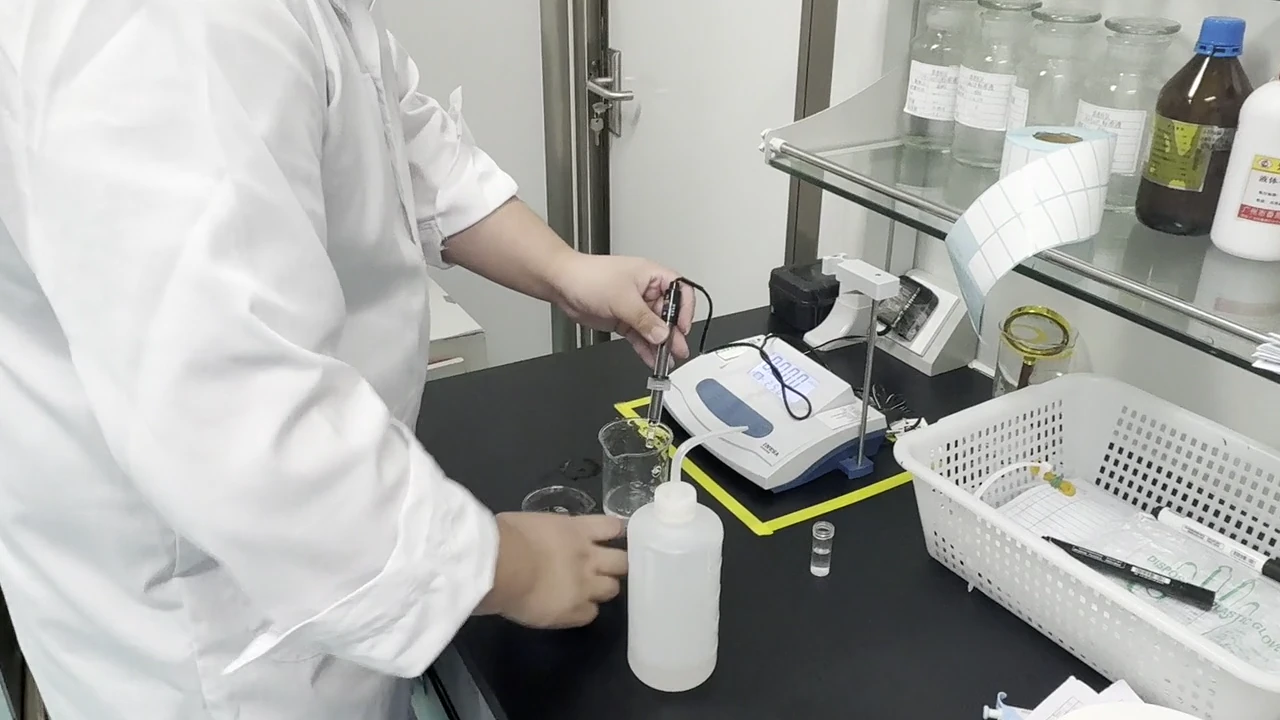
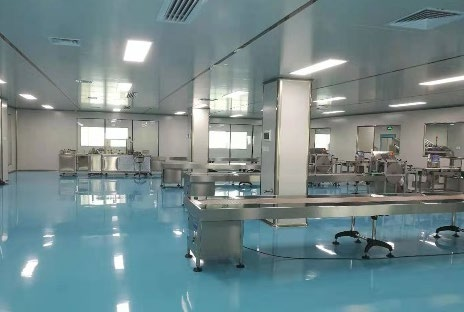
Manufacturing Connection
Resolve the configuration.
Prepare the handoff.
Connect the approved liquid-foundation formulation and component with manufacturing preparation. Carry colour and sample decisions into the agreed bulk, filling, closure and presentation pathway.
Discuss applicable process controls, inspection questions and documentation for the actual proposal. The workshop environment does not establish a Foundation-specific line, capacity or finished-product performance result.
Estimated quantity and intended timing remain planning inputs. Confirm the production scope and preparation responsibilities through project review.
Explore ManufacturingB2B Questions
Clarify the foundation.
Before the project.
Can foundation colour be customized?
Yes. Custom colour development can begin with your reference product, sample or colour direction. Agree the intended market, appearance and sample-review scope; a fixed shade range is not assumed.
Can we discuss dewy and matte directions?
Yes. Dewy and matte are starting appearance directions for a liquid-foundation project. Define the desired texture, colour and consumer context, then review the proposed sample before agreeing finished-product wording.
What physical format does this family focus on?
Liquid Foundation is the core format. Discuss consistency and intended handling with a bottle/component reference. Other makeup formats are separate development conversations, not additional formats promised by this page.
How should I describe a coverage target?
Bring an appearance benchmark, application context and the result you want the sample review to assess. The project agrees criteria and evidence rather than beginning with a preset catalogue of coverage levels.
Can packaging be aligned with the project?
Discuss bottle, closure, dispensing and carton references alongside the liquid sample. Specifications, compatibility, availability and commercial terms are confirmed through component and project review.
What information should a private-label Foundation brief contain?
Share colour and finish directions, coverage target, texture / skin-feel reference, benchmark product, component direction, consumer profile and target market. Add estimated quantity, timing and proposed claim or testing requirements.
How does validation connect to manufacturing?
Agree colour, appearance, formulation and component-review questions for the actual sample and intended market. Carry approved inputs and remaining evidence responsibilities into manufacturing preparation.
How does a Foundation development project begin?
Start with a Product Brief. Yuanze can review the requested direction, supplied references and next development questions. Feasibility, commercial terms and timing are confirmed for the project.
Start the Project
Bring the brief.
We'll map the evidence.
Prepare the known inputs below. Leave undecided items open, then continue to the existing Product Brief to add contact details and review the request.
These are your project requirements, not confirmed formulas, shades, components or delivery terms.