YUANZE / PRODUCT DEVELOPMENT
Build the range.
Define every detail.
A world of beauty products.
A connected way to develop them.
Enter through a product family, physical format, development direction or packaging requirement. Shape the project around your market, your reference and your brief.
Find your starting point ↓YUANZE / THREE PRODUCT SERIES
01 / DISCOVER THE RANGE
Three product series.
Many ways to begin.
Explore a family first. Then bring its formula, format and packaging questions into one focused development conversation.
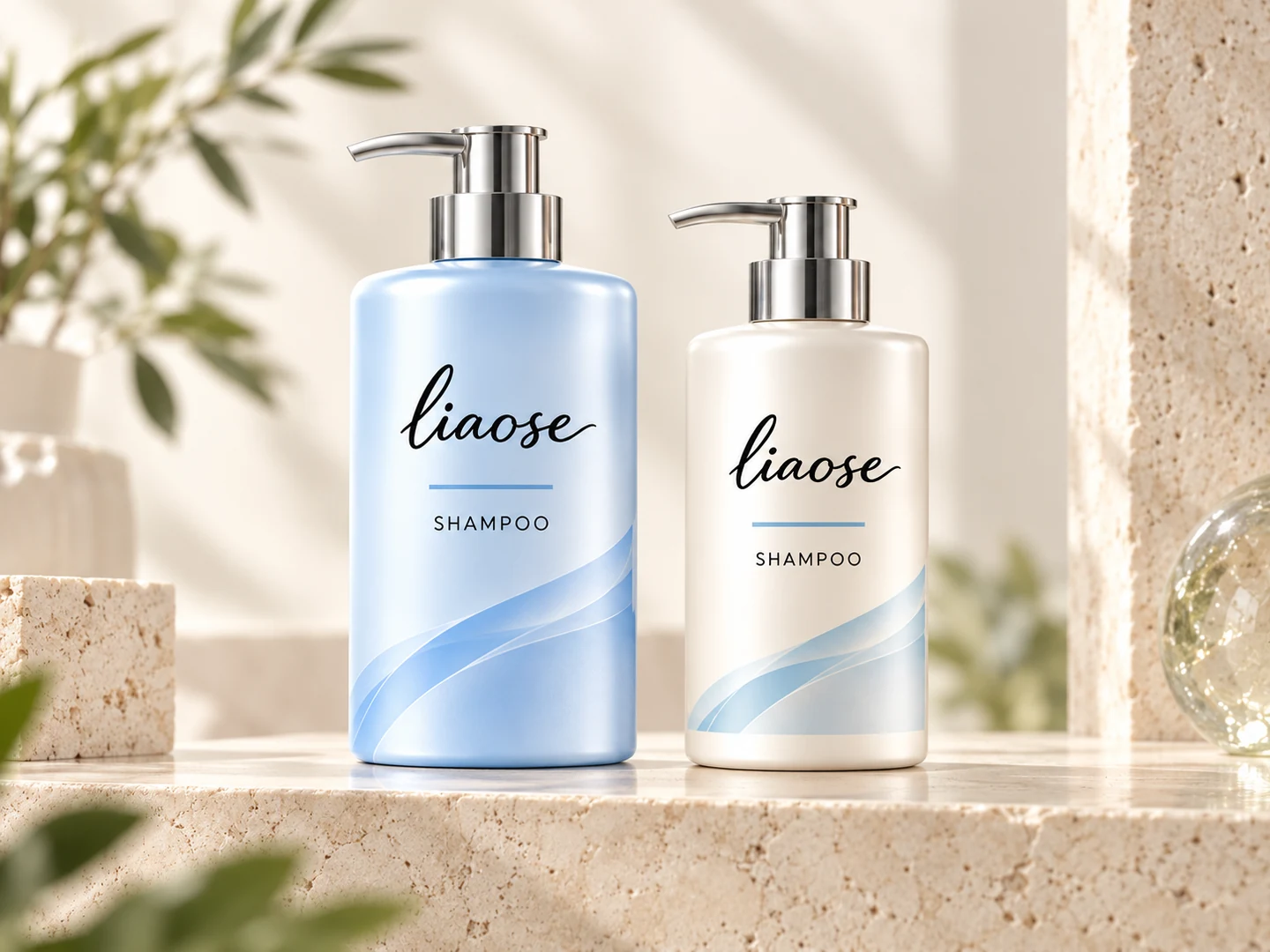
01 / HEAD SERIES
HEAD
SERIES
Shampoo, Conditioner, Hair Mask, Hair Serum, Hair Oil.
SHAMPOO · CONDITIONER · HAIR MASK · HAIR SERUM · HAIR OIL
Explore HEAD SERIES →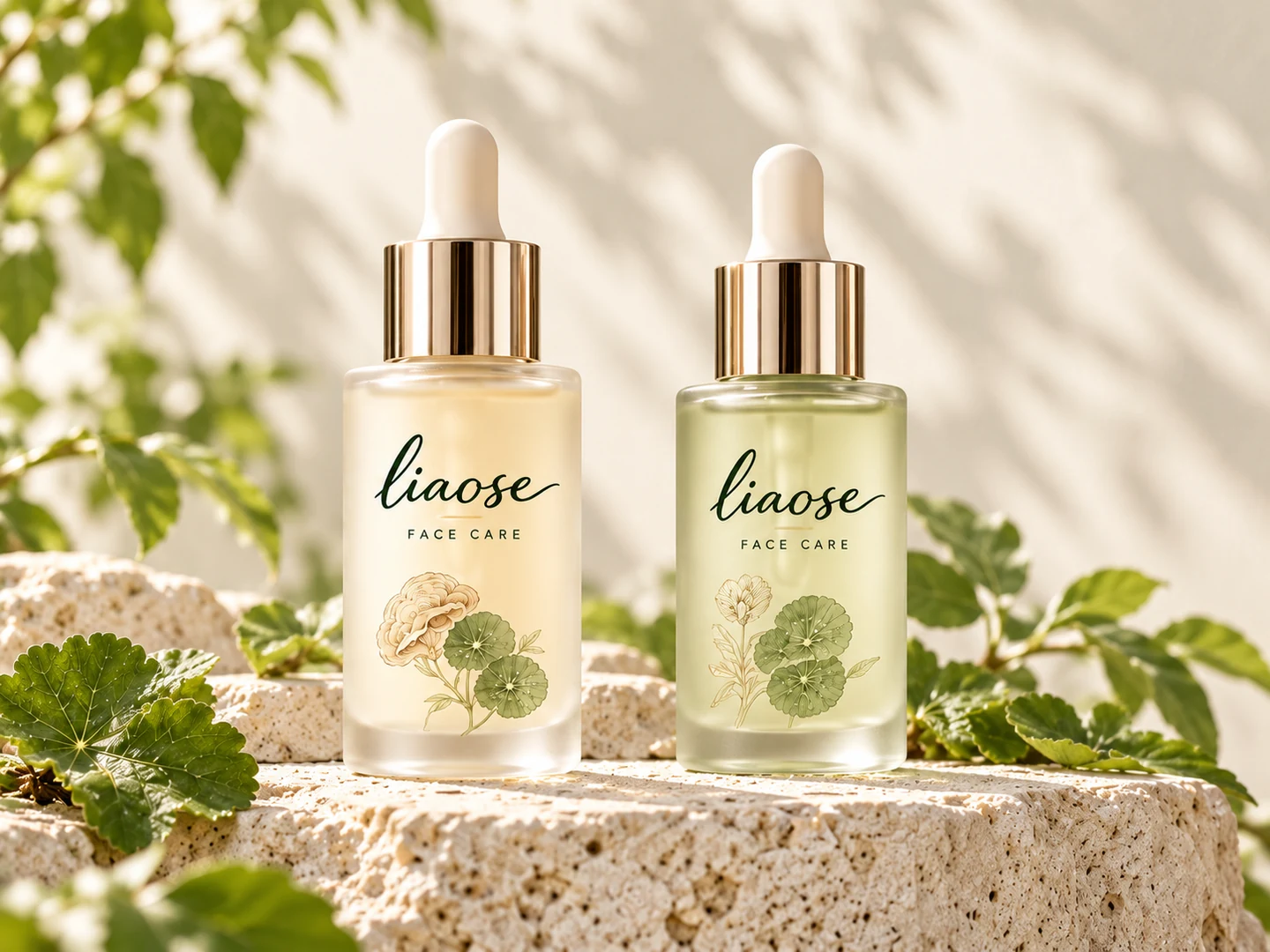
02 / FACE SERIES
FACE
SERIES
Serum, Cleanser, Toner, Lotion, Cream, Mask, Sunscreen.
SERUM · CLEANSER · TONER · LOTION · CREAM · MASK · SUNSCREEN
Explore FACE SERIES →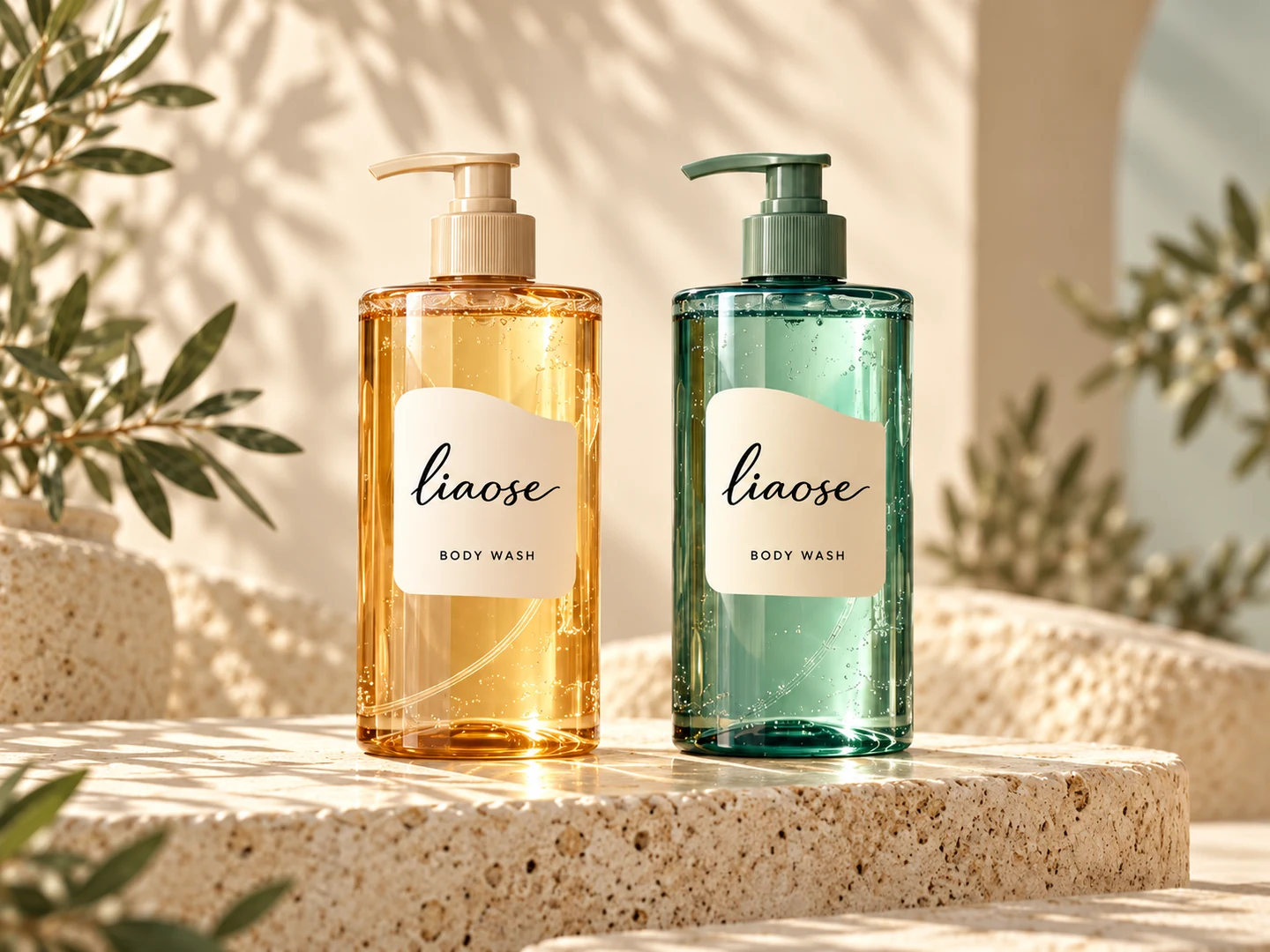
03 / BODY SERIES
BODY
SERIES
Body Wash, Body Lotion, Body Cream, Body Scrub, Body Oil.
BODY WASH · BODY LOTION · BODY CREAM · BODY SCRUB · BODY OIL
Explore BODY SERIES →Product imagery illustrates development references, not an available-stock catalogue. Family scope and component suitability are reviewed against the brief.
02 / DEFINE THE DIRECTION
A direction first.
A formula conversation next.
These are development starting points, not verified effects. Select a direction to explore relevant families and carry your choice into a brief.
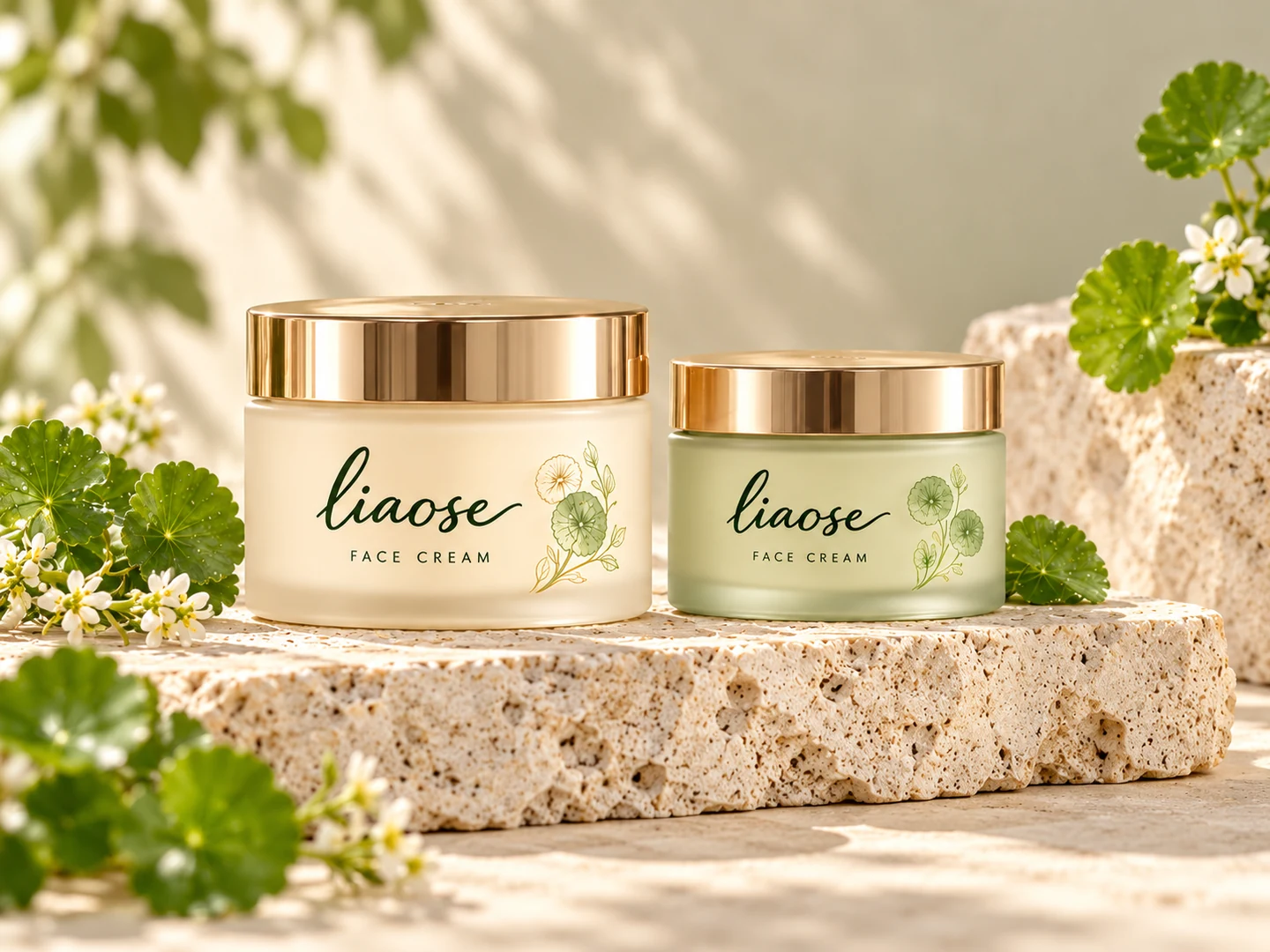
HYDRATION & MOISTURE / PREVIEW
Start with the desired routine, texture and application feel. Discuss formulation priorities through serum, lotion, cream or mask projects.
Start a Product Brief →Preview only. Your brief remains general until you select a direction.
03 / COMPARE PHYSICAL FORMATS
What physical format
are you developing?
Start with how the product is held, dispensed and used. These visual references open component conversations; compatibility is project-specific.
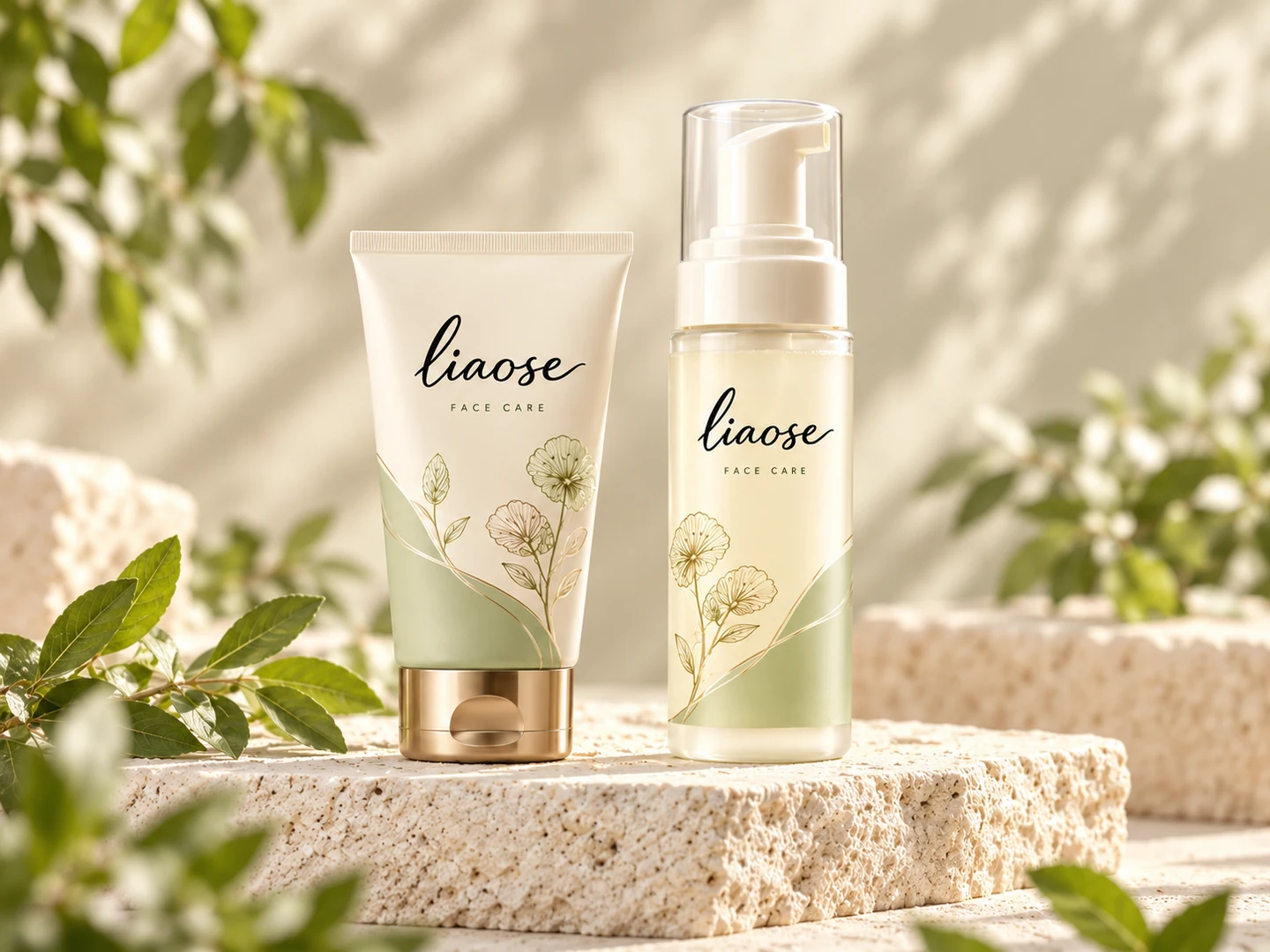
01 / TUBE
Squeeze. Apply. Define.
A project-specific tube-format reference for discussing fill, texture, closure and dispensing.
Cleanser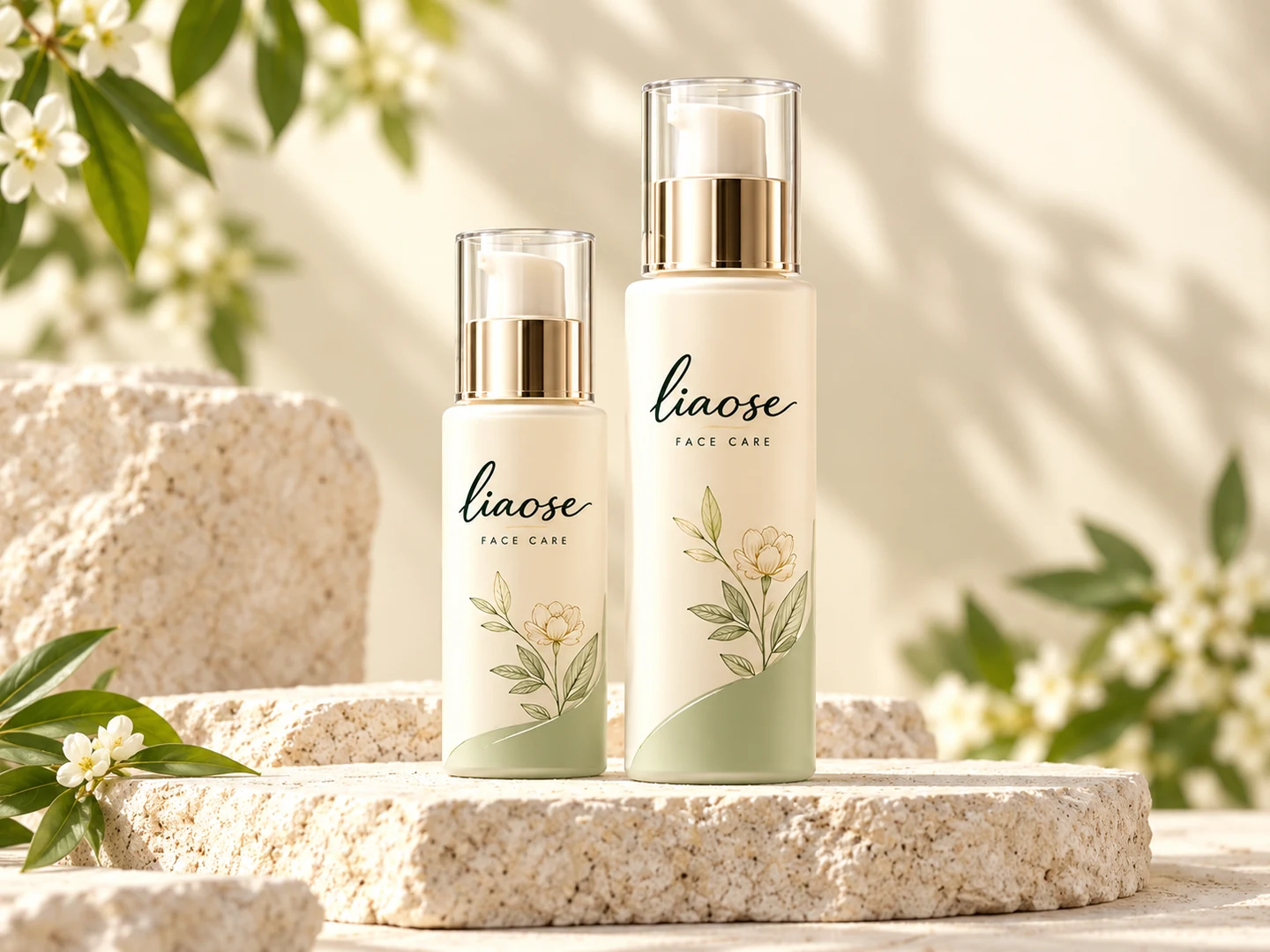
02 / PUMP BOTTLE
A measured application.
A project-specific pump-bottle reference. Review dose and formula compatibility before component confirmation.
Lotion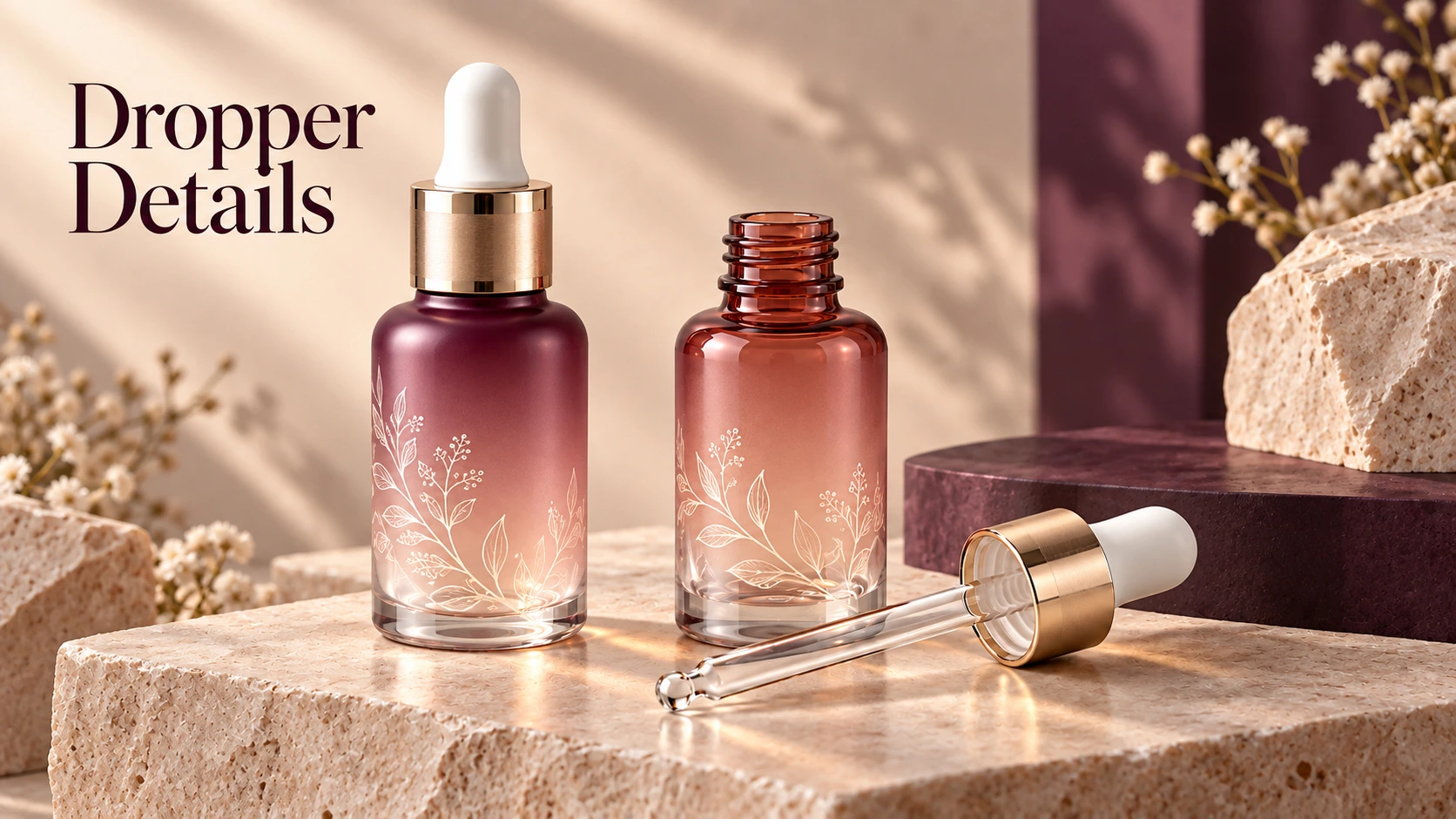
03 / DROPPER BOTTLE
Control at the point of use.
A project-specific dropper reference for discussing viscosity, delivery and pack materials.
Serum04 / JAR
Texture takes centre stage.
A project-specific jar-format reference for discussing cream texture, access, fill and closure.
Cream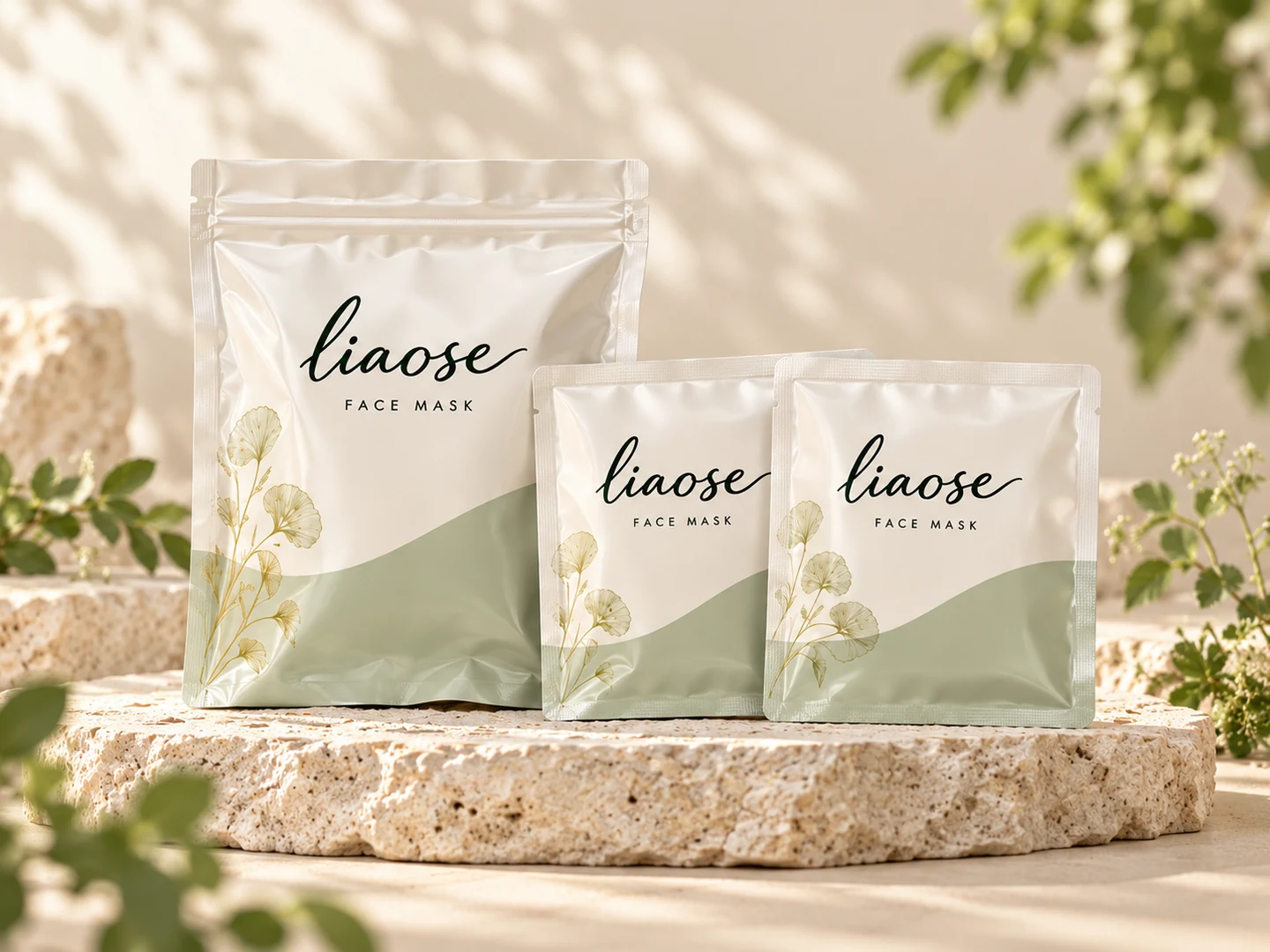
05 / POUCH
A focused ritual.
A project-specific pouch reference for discussing mask delivery, filling and presentation requirements.
Mask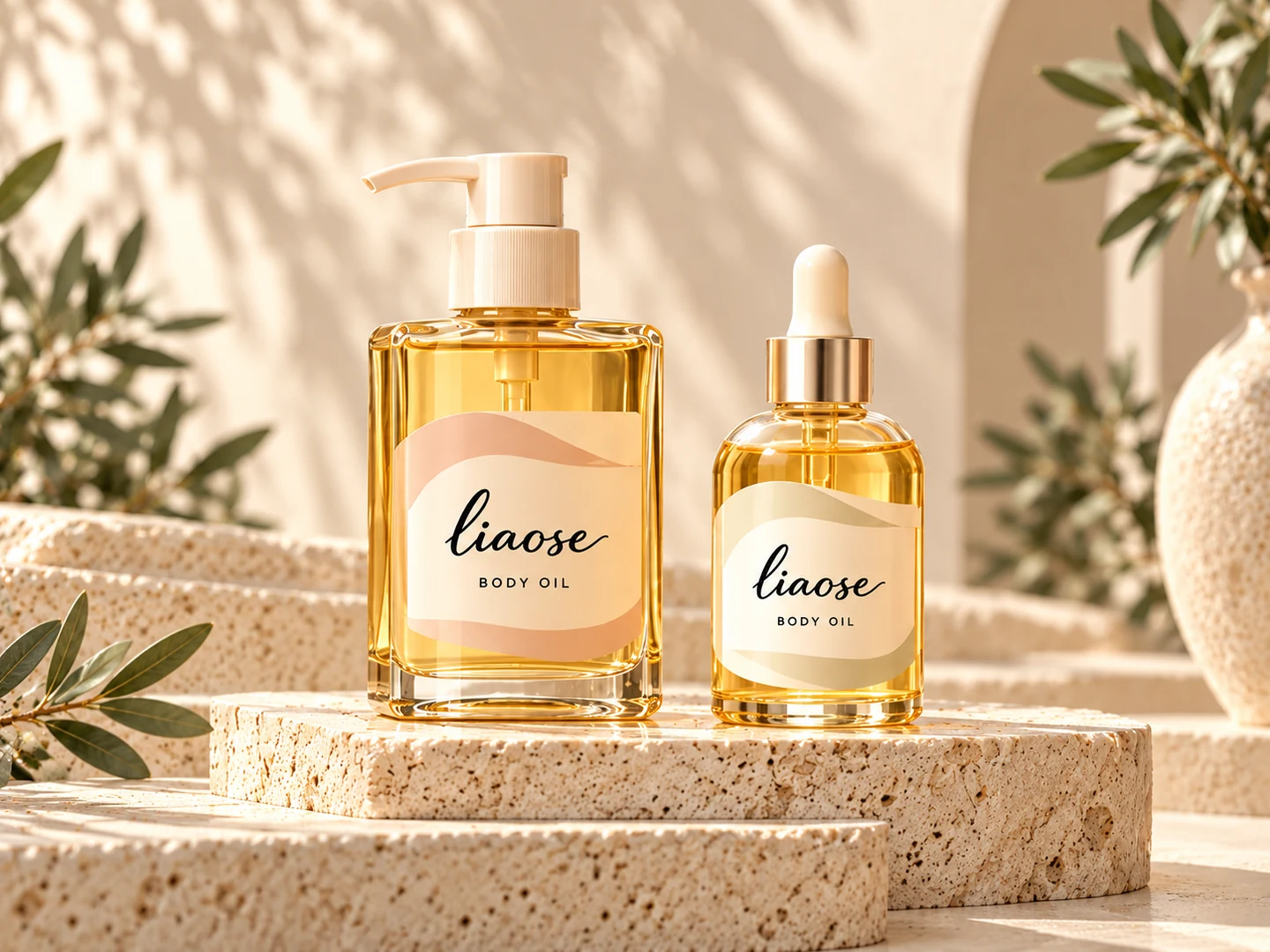
06 / OIL BOTTLE
Let the formula guide the pack.
A project-specific oil-bottle reference. Discuss texture, dispensing and materials before component confirmation.
Body OilVisuals are project-specific format references. Component suitability and availability require confirmation for the brief.
Continue into packaging decisions →04 / START WHERE YOU ARE
You do not need
every answer to begin.
Start from a concept.
A product idea, an intended consumer or a place in your range. Begin by defining what the project needs to become.
Start from a reference.
A benchmark product, a texture or a packaging reference. Use it to clarify the development questions.
Start from a direction.
A physical format, sensory target or market requirement. Bring the decisions you have already made.
05 / DEFINE THE DETAILS
A considered product.
A clearly scoped project.
Applicable dimensions vary by product format and project. Set the inputs first; suitability, validation and commercial scope follow review.
01 / FORMULA
What it feels like.
How it is used.
- Product direction
- Texture
- Ingredient priorities
- Sensory target
02 / APPEARANCE
The right questions
for the right family.
- Colour reference
- Finish / coverage, where applicable
- Fragrance direction
- Family-specific review
03 / COMPONENT
A pack built around
the product.
- Bottle / tube / jar
- Closure
- Dispensing
- Secondary packaging
04 / PROJECT INPUTS
The brief behind
the range.
- Target market
- Intended quantity
- Launch timing
- Validation requirements
Quantity and timing are reviewed for the project, not assumed from a fixed promise.
06 / UNDERSTAND THE JOURNEY
From the first question
to the production brief.
Formula, packaging and quality are connected decisions. Each step develops the agreed scope for the next.
- 01
Product
BriefDefine the family, intended consumer, market and project priorities.
Frame the brief - 02
Formula
DevelopmentReview direction, feasibility, texture and sampling requirements.
Explore development - 03
Packaging
AlignmentCoordinate component choices with formula and application needs.
Explore packaging - 04
Quality
ValidationAgree the relevant testing, documentation and release requirements.
Review quality - 05
Manufacturing
Prepare the agreed production scope, controls and quality release.
Explore manufacturing
07 / QUALITY BEFORE SCALE
The process behind
the product.
Development connects with in-house testing and staged quality controls. Manufacturing-system assessments are presented with their applicable scope—not as product-specific efficacy approval.
Explore quality and supporting evidence → ISO 22716
 GMPC
GMPCIn-house testing items
Physicochemical testing, microbiological testing and environmental monitoring. Relevant testing depends on the product and agreed scope.
Review laboratory scopeStages in the R&D workflow
From brief and feasibility through development, sampling, testing, documentation, preparation and production release.
Review the development process08 / INSIDE THE MANUFACTURING ENVIRONMENT
Where the project
meets the process.
Review manufacturing requirements alongside the formula, component and quality-release conversation.
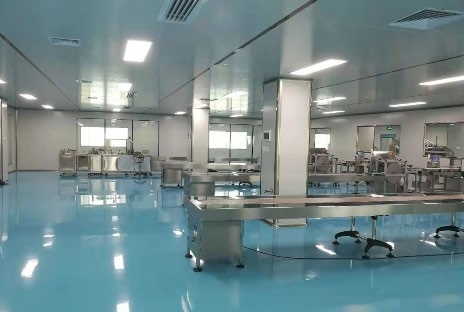
01 / PRODUCTION ENVIRONMENT
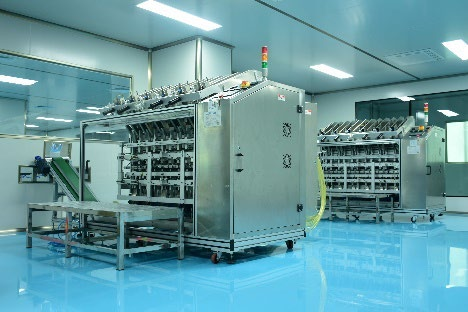
02 / PRODUCTION EQUIPMENT
PROJECT PROCESS / SCOPE CONFIRMED WITH THE BRIEF
- R&D
- Lab
- Production
- Filling
- QC
- Packing
Process stages are reviewed against the project, formula and validation requirements.
09 / KNOWLEDGE FOR PRODUCT TEAMS
Better questions.
Clearer decisions.
A working reading list for the decisions that shape a beauty product project.
10 / TURN THE RANGE INTO A BRIEF
Tell us what
you want to build.
Bring the inputs you have. Leave room for the questions you want to explore.
Start a Product Brief ↗Your brief starts general. You can define and edit every input in the existing Product Brief.
- 01Product family
- 02Development direction
- 03Target market
- 04Texture / formula concept
- 05Packaging direction
- 06Intended quantity
- 07Launch timing