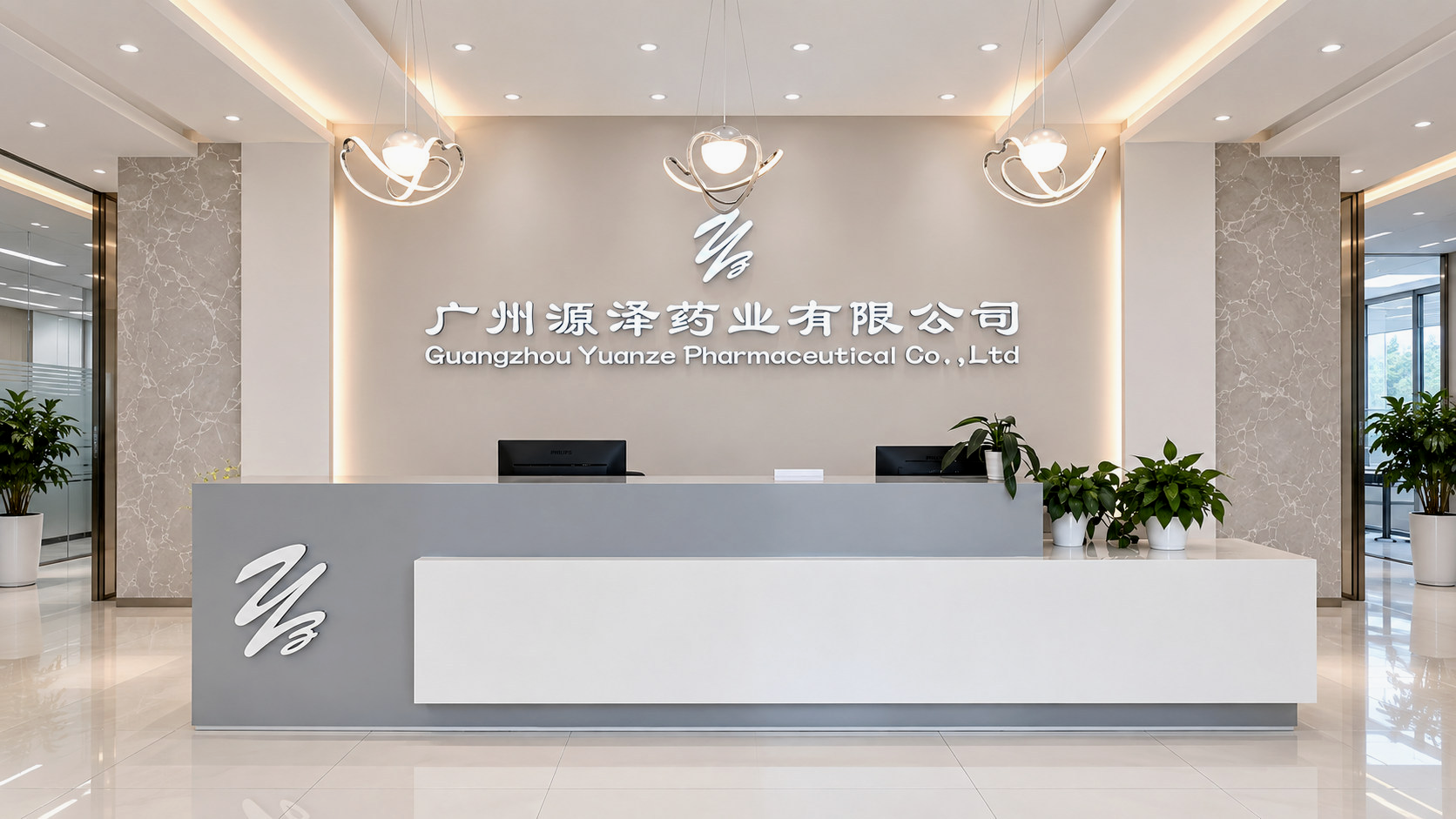
Compare the process as carefully as the proposal.
A factory comparison becomes more useful when the same brief, evidence questions and responsibilities are used for every supplier. An attractive facility image is a starting point for a conversation, not the whole assessment.

1. Establish product and process fit.
Provide the format, sensory direction, packaging, market and quantity assumptions. Ask how the supplier would turn these into an agreed specification. A general statement that a factory makes skincare says little about the review needed for your specific formula and component.
Explain what you already have and where support is needed. A supplier’s response should identify open questions and the proposed development path, rather than simply restating your product name. This also helps you compare the work included in different proposals.
2. Review the evidence in its actual scope.
For a certificate, check the company name, site, issuing body, standard, validity and listed scope. Request the current supporting record rather than relying on a cropped logo. For a laboratory statement, ask what activity is described and which product-specific records would be required.
ISO describes ISO 22716 as guidance for production, control, storage and shipment of cosmetic products. Its stated scope excludes research and development activities. A management-system assessment should therefore not be presented as proof that a particular formula is effective or that every product has received market approval.
| Evidence | Useful question |
|---|---|
| Certificate | Which site, activities and product categories does this record cover? |
| Laboratory information | Which tests are relevant to the proposed product and available for review? |
| Process information | Where are the approval and quality checkpoints? |
| Product claim | What finished-product evidence supports this particular statement? |
3. Assess the working method.
Ask how the supplier identifies sample versions, gathers feedback and records approval. Review how formula, component and artwork information move between teams. These details matter because a clear sample discussion can still fail to produce a clear manufacturing handoff.
Discuss how a nonconformity or requested change would be handled within the agreed scope. You do not need confidential records from another customer; you need an understandable process for your own project and an agreed route for reviewing relevant evidence.
4. Make the proposal comparable.
- Development, sampling and revision scope.
- Component sourcing and artwork responsibilities.
- Applicable testing, documentation and approval owners.
- Quantity, price basis, schedule assumptions and exclusions.
- Rights to formula information, designs and supplied references.
Choose the partner whose proposed work and evidence address the brief. Keep unanswered questions visible until they are resolved. Neither a low price nor a large capability list substitutes for a product-specific specification and agreement.
Sources & further reading
Practical examples and checklists are editorial guidance. The references below support the technical background and company information.
- ISO — ISO 22716:2007
The published scope of cosmetic good manufacturing practice guidance.
- Yuanze — Quality Control
The published laboratory activities, quality checkpoints and assessment scope.
- Yuanze — Product Development
Yuanze’s published cross-functional development workflow.