
Define the sheet mask quality control plan before production
Begin with the actual configuration: serum formula reference, sheet material and dimensions, pouch specification, intended quantity and approved artwork. Make the product identity specific enough that a supplier can distinguish a new variant from an approved repeat order.
Set out the checkpoints, sample selection, acceptance criteria and responsibilities with the technical team. Include what happens when a check fails or an observation needs investigation. Agree this before the run, while the team can still resolve gaps in the plan.
This article focuses on inspection and quality decisions for conventional serum-soaked sheet masks. Use the sheet mask manufacturing guide for the broader sourcing discussion about substrate, serum and development options.
Inspect the sheet, serum and pouch as one finished unit
Compare representative units with the approved reference. Review pouch identity and print, the sheet’s condition and unfolding, and the intended presentation of the serum. Confirm that the right product is being reviewed before scoring appearance.
For the sheet, describe folds, damage, fit and handling concerns in terms the supplier can investigate. For the serum, record relevant appearance or odour observations against the specification. These are separate review points: a well-printed pouch does not answer how the sheet unfolds or how the product presents when opened.
Check the declared quantity through the defined method. Discuss whether the loading and distribution of serum meet the intended product presentation. Avoid accepting or rejecting a product simply because there is more loose liquid in one opened pouch; compare against the agreed configuration and method.
Review pouch defects and sheet mask seal integrity
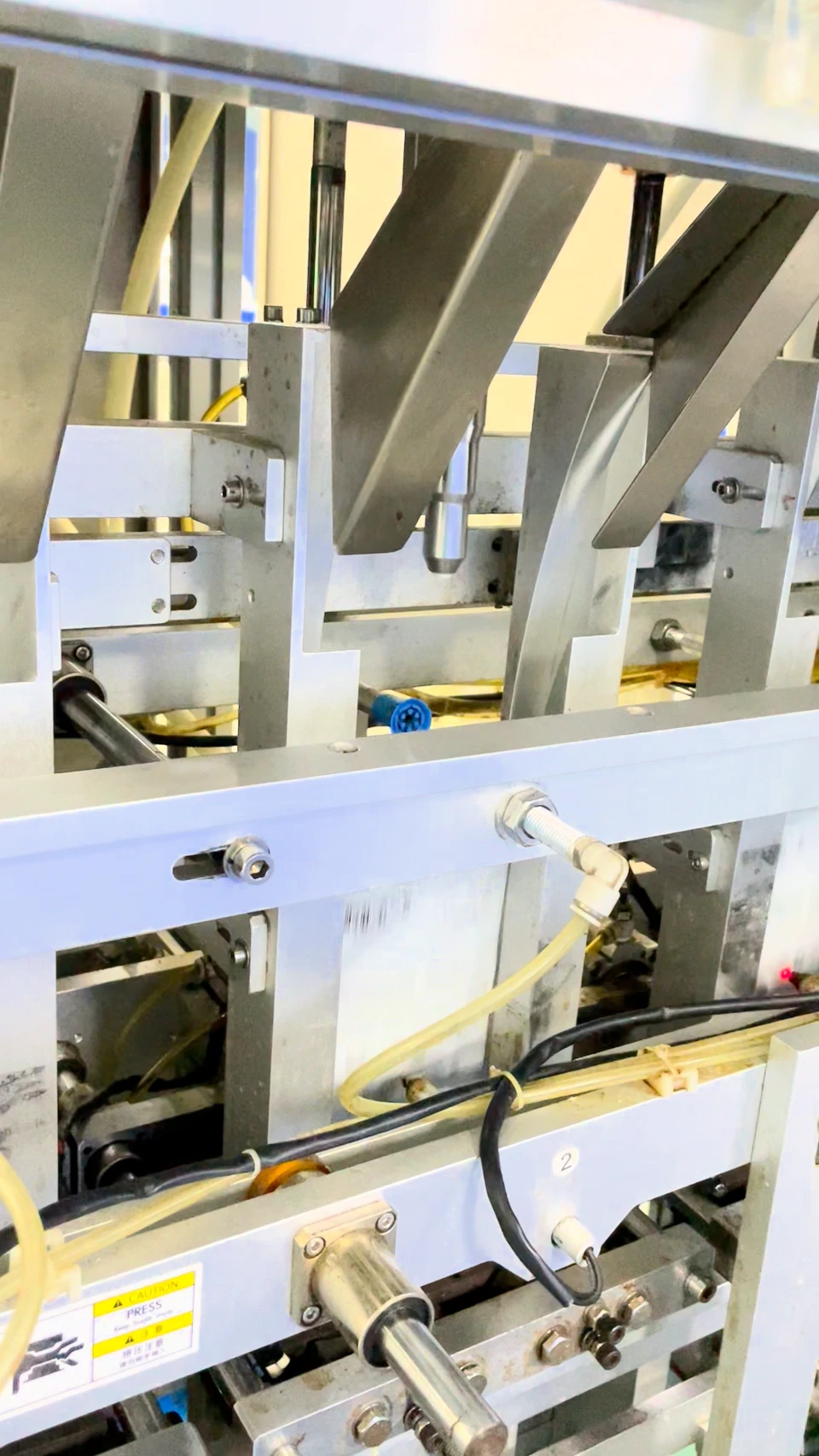
Wrinkles through a seal area, visible contamination, damaged edges or leakage deserve investigation. Record where the issue occurs and whether it follows a pattern across the inspected units. A clear defect description is more useful than a general request for “stronger packaging”.
Agree an appropriate pack-integrity assessment with the technical team. Leakage checks look for breaches in the closed pack under the chosen method; seal-strength checks assess the force needed to separate a sealed specimen. These checks answer different questions. State the applicable conditioning, sampling and acceptance criteria in the project plan.
If the serum, pouch material or closing process changes, review whether existing evidence still applies. Keep the approved reference and the change decision connected. This is especially relevant when artwork versions look similar but the component specification has changed.
Distinguish microbiological testing, preservation and stability
A microbiological result describes the examined sample under the stated method. Preservative efficacy testing addresses the protective performance of the formulation’s preservation system through a defined challenge. Stability work assesses changes over time and under the chosen conditions. These activities have different purposes and cannot simply be substituted for one another.
Intertek’s preservative efficacy overview explains the role of challenge testing in evaluating a formulation’s antimicrobial protection. Ask the technical team which evidence applies to the proposed product. A single-use pouch should not be used as the sole reason to dismiss the preservation question.
For stability and packaging compatibility, review the final serum–sheet–pouch configuration under a suitable programme. Intertek’s stability-testing overview describes product properties and packaging function among the considerations. Ask what changes are monitored and how the conclusion relates to the product intended for sale.
YUANZE’s laboratory activity scope includes physicochemical checks such as pH and viscosity; microbiological activities including total plate count, mould and yeast; and water, equipment and environment monitoring. Use that scope to start the discussion, then confirm the applicable methods, criteria and product or batch records for the specific order. The quality control overview provides further company context.
Use a sheet mask inspection checklist with clear outputs
A checklist works best when each item leads to a recorded decision. Identify the configuration and inspected material, then connect the observation or test result with its criterion. The framework below is a planning aid; the technical team defines the actual protocol for the project.
| Checkpoint | What to confirm | Output to request |
|---|---|---|
| Product identity | Serum, sheet, pouch and artwork match the approved configuration. | Identified reference and inspection record. |
| Sheet and presentation | Condition, unfolding and product presentation meet the agreed expectations. | Observations linked to the sample selection. |
| Quantity | The finished unit meets the agreed quantity criterion. | Result, method and decision. |
| Pouch and seal | Relevant defects and pack integrity are assessed by the defined method. | Inspection or test outcome and action on defects. |
| Product testing | Applicable microbiological, preservation and stability evidence is identified. | Relevant reports and their product/configuration references. |
| Coding and release | Units can be traced and unresolved issues have a named decision owner. | Code review, issue closure and release decision. |
Handle nonconforming units before batch release
When a defect appears, identify the affected material and agree its disposition. Record the concern, the investigation and any further inspection or rework. A corrected machine setting does not by itself determine the status of units made before that correction.
Before release, bring the relevant inspection outcomes, test records and unresolved issues together. The authorised reviewer should be able to see what meets the specification and what still requires a decision. The FDA cosmetic inspection checklist provides general US background on quality controls and records.
For an initial enquiry, share the proposed product configuration and the quality concerns most important to the brand. YUANZE can use that brief to discuss the project scope. Keep a later batch’s own results separate from the development references used at this stage.
Your sheet mask quality-planning brief
Use these points to organise the supplier discussion.
- Serum reference, sheet specification, pouch components and approved artwork.
- Intended market, use, claims for review and the relevant product specification.
- Inspection priorities, sampling approach and acceptance criteria to agree.
- Required product tests, report references and responsibilities for arranging them.
- Defect handling, traceability, issue closure and the release decision owner.
Buyer questions
What belongs in a sheet mask quality-control report?
Identify the product, configuration and batch or inspected material. Include the inspection or test scope, sampling, methods, relevant conditions, results, acceptance criteria and conclusion. Record unresolved issues and who is responsible for the next decision.
Can a pouch leakage check replace microbiological testing?
No. Pack-integrity checks assess the package under the chosen method. Microbiological testing examines a different quality question. The technical team should define the relevant work for the product rather than use one result as a substitute for the other.
Does changing the pouch require another quality review?
Review the change with the technical team. A different material, component design or closing arrangement may affect the applicability of existing pack and compatibility evidence. Identify which checks must be repeated before approving the revised configuration.
Plan the quality review for your sheet mask
Share your serum, sheet and pouch references with YUANZE to discuss the checks and records needed for the proposed project.
Discuss a sheet mask project