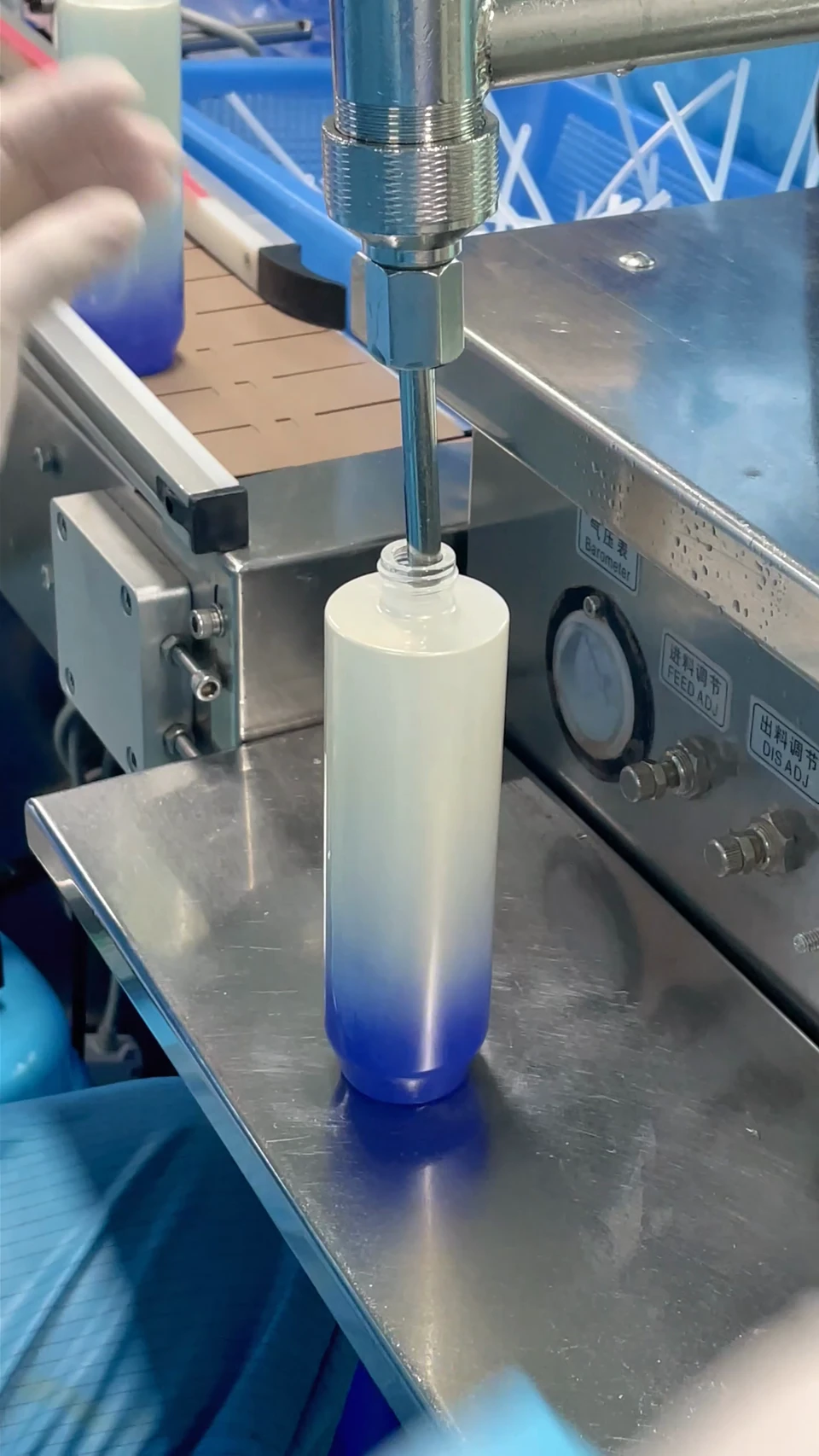
The lotion filling process: where the checks belong
Begin with an identified bulk product, an approved pack and instructions for the planned run. Check the condition and identity of components before they reach the line. A start-up review should also make sure previous product, labels and packaging have been cleared from the working area.
Structure the run around three stages. At start-up, approve the first filled and closed units before continuing. During the run, check net quantity, closure application and coding at the agreed intervals. At the end, complete final checks and reconcile bulk product, components and records. Define those checkpoints and the response to an out-of-specification finding before production starts.
This guide focuses on the filling and packing stage. Formula preparation and emulsification are earlier tasks, covered in the broader manufacturing workflow. Keeping the stages distinct helps a buyer identify which decision belongs to development, production or quality review.
Why flow behaviour and the final pack matter
A pourable lotion and a thicker emulsion do not necessarily behave the same way at a nozzle. Temperature, handling and the formulation can affect the consistency presented to the filler. The production team needs an operating approach suited to the product, rather than a generic setting copied from another run.
Silverson’s cream and lotion application report explains how formulation and processing influence an emulsion. For a filling discussion, ask whether the prepared bulk is homogeneous and ready for transfer, and whether the trial represents the conditions intended for production.
Test with the actual bottle and closure assembly. Neck geometry, the available opening, container stability and the closure can affect handling. If the brand changes a bottle, pump or fill size, ask which setup and pack checks need to be repeated.
Review fill weight and volume separately from headspace
Agree how the declared net quantity will be checked and recorded. In a weight-based check, the container and closure are not part of the product quantity; the method must account for the empty-pack weight. Where a volume claim is checked through mass, the agreed method also needs the appropriate density and measurement conditions.
Headspace is the unfilled space above the product. Two bottles can look differently filled because of container geometry, shoulder shape or product behaviour even when they hold the same net quantity. Treat the fill line as a presentation observation and verify quantity through the defined measurement method.
Ask when samples are taken during the run, which measuring equipment is used and what action follows a result outside the approved limits. Keep readings linked to the run. The following examples help organise a technical investigation; they are not automatic diagnoses.
| Observation | What to review | Decision to record |
|---|---|---|
| Variable fill readings | Measurement method, empty-pack allowance, product condition and setup. | Identify the cause and confirm the result after adjustment. |
| Bubbles or unstable appearance | Product handling and the filling conditions used for the trial. | Agree a representative review condition before accepting units. |
| Product on the bottle neck | Nozzle position, dispensing cut-off and container handling. | Confirm a clean closure area and a repeatable setup. |
| Leakage after closing | Component fit, closure application and the agreed pack test. | Separate affected units for review and verify the corrective action. |
| Poor or incorrect code | Approved content, print position and code legibility. | Correct the setup and define the affected production interval. |
Connect nozzle control with capping and batch coding
Product deposited on a bottle neck or closing surface can complicate capping and closure cleanliness. Review the filled container before applying the closure. Nozzle position, movement and dispensing cut-off are among the setup variables to investigate when addressing foaming and drips.
The correct closure needs to be present, seated and applied using the agreed setup. Include the actual pump, cap, liner or other specified component in the trial. Ask how leakage, opening and dispensing function will be assessed for this pack.
Verify the code content against the approved instruction and check that it remains legible on the finished unit. Link the code to the relevant production record. A correctly filled bottle with the wrong artwork or identity still creates a packing problem.
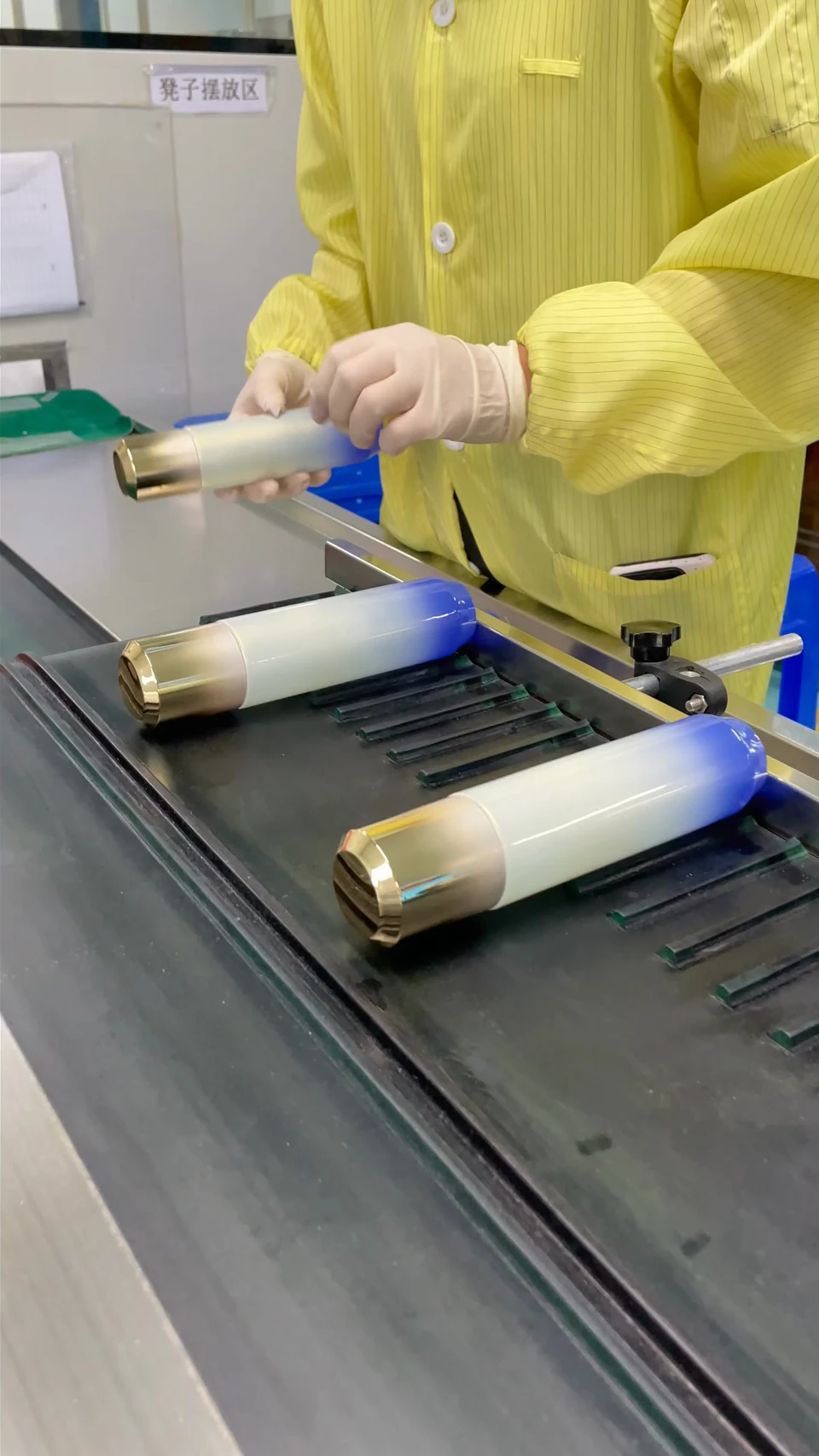
What should the cosmetic filling quality review cover?
Keep a concise run summary: product identity, component references, the checks performed, observed issues and the action taken. Agree how affected material is identified if a problem is detected partway through production. Adjustment and rechecking should be traceable to the relevant units or interval.
Finished-pack review should address the agreed quantity, closure, appearance and identification checks. Product testing and release requirements belong to the project quality plan. YUANZE’s quality control overview provides company context; request the records appropriate to the actual order.
The FDA cosmetic inspection checklist includes filling instructions, identification and records as part of its US inspection context. It is useful background for a documentation discussion, rather than a substitute for the project’s own specification and review.
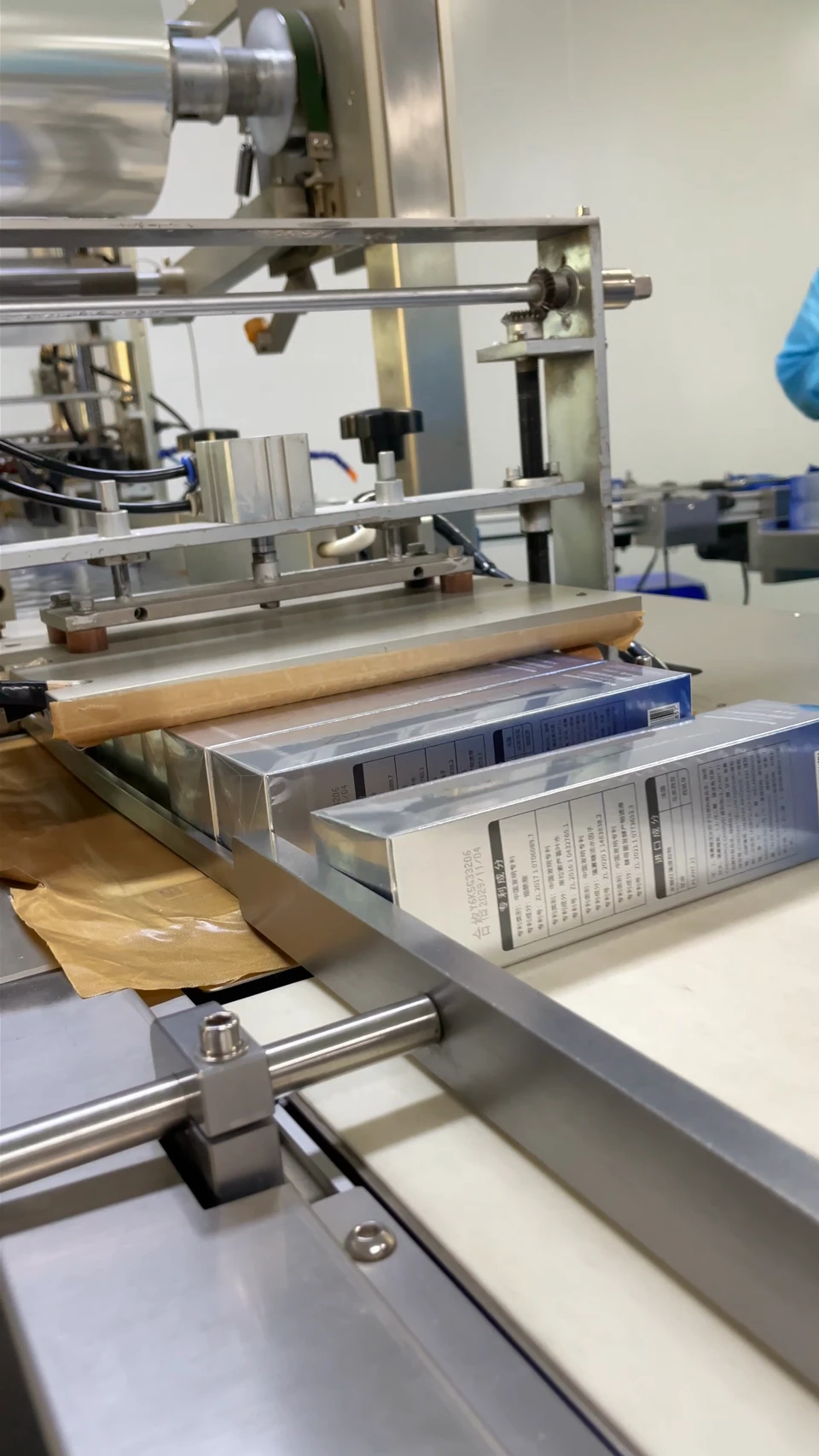
Resolve packaging and quotation questions before the run
Send a proposed pack sample, fill size and quantity by design with the formula reference. Ask whether the quote includes bulk manufacture, components, filling, decoration and secondary packing. If you supply components yourself, clarify who approves their suitability and how shortages or defects are handled.
Discuss production timing around component availability, approved artwork, trial work and the final formula decision. A late pump or bottle change can affect several of those steps. Record the change before material reaches the line.
For a body lotion project, the next useful discussion is a complete formula-and-pack handoff. It lets the supplier review the proposed job and identify the checks needed before the production arrangement is confirmed.
Your lotion filling and packing handoff
Use these points to organise the supplier discussion.
- Approved bulk/formula reference and the agreed production condition.
- Final bottle, closure, pump and secondary-pack component references.
- Declared quantity, checking method and approved acceptance criteria.
- Artwork, code content, in-process checkpoints and issue-handling instructions.
- Quantity by design, supply responsibilities and the production approval owner.
Buyer questions
Why do equally sized lotion bottles appear to have different fill levels?
Bottle geometry, the actual amount and the condition of the product can affect appearance. Check the net quantity using the agreed method before deciding whether there is a filling issue. A visual fill line is not a replacement for that measurement.
What should happen if lotion drips onto the bottle neck?
Identify and separate affected units for review. The production team should investigate the filling setup and handling, confirm that the closing area is suitable, and verify the result after any adjustment. Repeated wiping alone does not establish that the process is under control.
Can an approved lotion formula be filled into a different pump bottle?
The new bottle and pump need review with the actual formula. Confirm component fit, filling setup, dispensing and the relevant compatibility and pack checks. Formula approval does not automatically approve every container.
Prepare your lotion production handoff
Bring your formula reference, pack sample and proposed quantity to YUANZE for a filling and packaging discussion.
Explore body lotion production