Define the private label facial cleanser before choosing ingredients
Specify where the cleanser belongs in the routine: a daily face wash, a second cleansing step or another defined use. Identify the customer, target market, sales channel and benchmark. These decisions help the manufacturer assess an existing formula or the need for development.
Translate positioning into observable preferences. Instead of asking for a “premium gentle cleanser”, describe the desired dispensing action, spreading, foam character, fragrance direction and after-rinse feel. List ingredient preferences and restrictions separately so the formulator can assess them in the complete formula.
The cleansing system, viscosity and fragrance should be considered together. A preferred ingredient name does not settle the performance of the finished product. Give the supplier your intended claim themes early, and agree what support will be needed before those claims appear on the pack.
Foaming cleanser or lathering gel: what changes?
A lathering gel is dispensed as liquid or gel and worked with water. A mechanical foamer is designed to dispense foam at the outlet. The latter needs a formula suitable for that particular dispensing system; moving a gel into a foamer bottle is a development question, rather than a simple packaging substitution.
Foam volume, density and how quickly it forms describe different parts of the experience. Decide whether the brand wants a compact mousse at the outlet, quick lather during washing or a lower-foam routine. Specify the exact dispenser assembly and evaluate it with the actual formula.
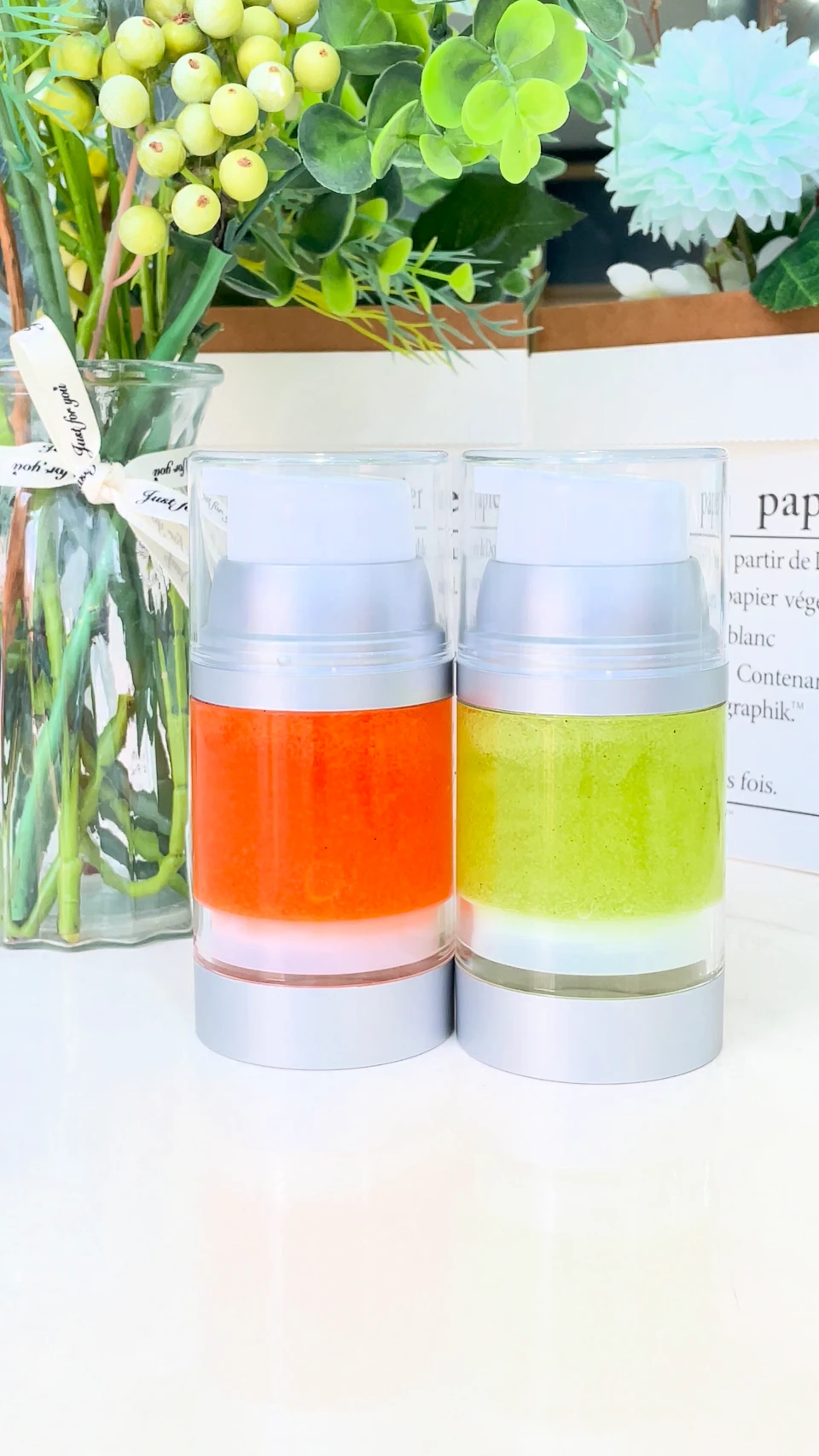
Use the following comparison to narrow the sample request. These are development directions, not specifications for the products in the photographs.
| Format | Experience to assess | Packaging question |
|---|---|---|
| Lathering gel | Dose, spreading with water, lather and rinse feel. | Does the proposed pump or tube deliver the intended amount cleanly? |
| Foamer-dispensed cleanser | Foam at the outlet, repeated dispensing and foam character. | Does the actual formula work with the selected foamer assembly? |
| Cream cleanser | Pickup or dispensing, spreading and after-rinse finish. | Does the outlet suit the formula throughout the intended use? |
Check cleanser packaging with the actual formula
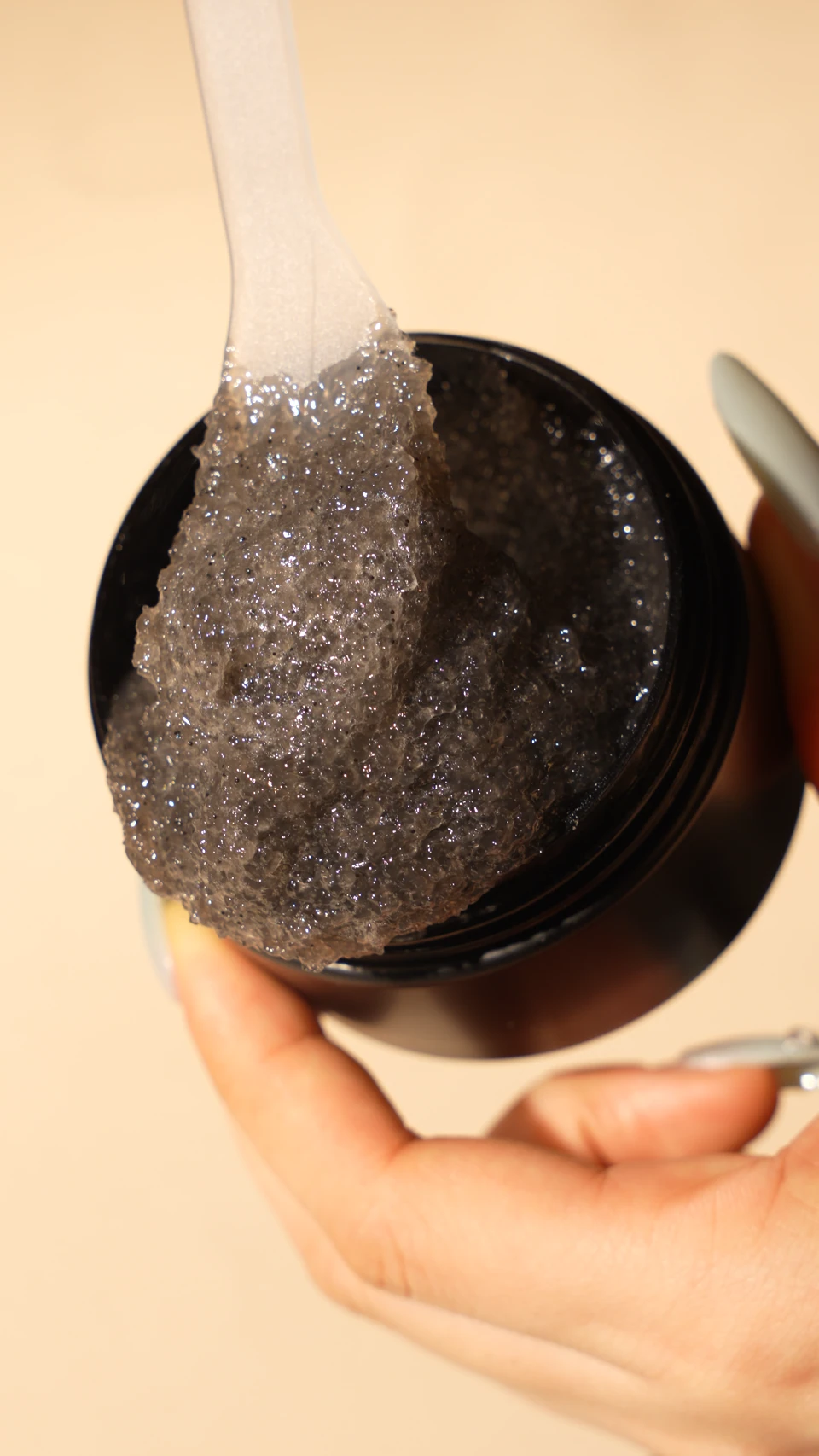
Specify the container, closure, outlet and product-contact components as one pack. A bottle with the right appearance may still create an awkward routine if dispensing is difficult or the amount is hard to control. An open laboratory jar is useful for comparing texture, but it does not answer those retail-pack questions.
For a pump pack, record priming behaviour, dose consistency and outlet cleanliness. Also review operation with wet hands. Assess the proposed components with the actual formula before committing to production quantities of the packaging.
A material, closure or size change should trigger a review of the affected checks. The cosmetic packaging guide explains component decisions; Cosmetics Europe’s stability guidance gives background on assessing a product with its intended container.
Make cleanser sample feedback specific enough to act on
Label every sample and identify the comparison product. Agree the amount, water conditions, rubbing sequence and rinse routine so the team compares like with like. Keep dispensing, lather and after-rinse feel as separate observations.
Useful feedback identifies a preference and a next action: “Keep Sample A’s rinse feel, but compare two options for dispensing control.” Another example is: “The lather forms later than our benchmark under the same review routine.” These statements tell the development team what to investigate without prescribing an unsupported formulation fix.
Avoid changing fragrance, texture and dispensing at once unless the project needs a broader redesign. Consolidated feedback from one decision owner makes the next sample round easier to interpret. The cosmetic sampling process covers how to connect revisions with approvals.
Sensory approval is one milestone. Confirm the separate technical work needed for stability, product-pack compatibility, microbiological quality and any intended product claims. The project team should define the scope for the selected formula, use and market.
What affects a facial cleanser quotation and launch plan?
Give the manufacturer a quantity per formula and pack design, proposed fill size, packaging reference, decoration route and delivery destination. A quotation built around one clear configuration is easier to compare than a price request that combines several unresolved options.
Ask which minimums relate to the bulk formula, purchased components and printed packaging. Splitting an order across fragrances, colours or artworks can change those requirements. Request project-specific figures and clarify which sampling, testing, tooling, packing and transport items are included.
Discuss the sequence as well as the date: formula review, sample approval, component checks, artwork approval and production scheduling. If a decision is still open, identify it in the plan. A single promised delivery date is difficult to assess without those dependencies.
Approve a formula–pack combination, then control changes
Before a production order, bring the sample reference, formula version, fill size, component specification and approved artwork into one handoff. Record the agreed checks and the decisions still awaiting technical review. Confirm who approves each part of the project.
For repeat orders, use that identified combination as the starting point. If a component or formula is proposed for change, ask what needs to be reviewed again. This keeps a familiar product name from concealing a different technical configuration.
Explore YUANZE facial cleanser development with your sample brief, or use the product development overview to map the next discussion.
Your facial cleanser development brief
Use these points to organise the supplier discussion.
- Customer, routine step, intended market and comparison product.
- Preferred format, foam character, rinse feel and fragrance direction.
- Ingredient priorities, restrictions and intended claims for review.
- Fill size, pack components, decoration and quantity per version.
- Sample decision owner, required technical work and launch dependencies.
Buyer questions
Is a foaming cleanser the same as a foaming pump cleanser?
Not necessarily. A cleanser may build lather when worked with water, while a foamer-dispensed product leaves the outlet as foam. Specify both the intended formula experience and the dispensing system when requesting samples.
Can we choose the bottle after approving the cleanser formula?
Bring packaging into development early. A formula approved in a laboratory container still needs review in the proposed retail pack for dispensing, compatibility and the relevant technical checks. Changing the pack can reopen that work.
How can we compare quotations from facial cleanser manufacturers?
Send the same formula direction, fill size, pack specification, decoration, quantity and delivery basis to each supplier. Compare the included development work, checks and exclusions alongside the unit price. Ask each supplier to identify assumptions that could change the quote.
Plan your private label facial cleanser
Share your benchmark, preferred format and pack direction with YUANZE to discuss a focused sample brief.
Discuss facial cleanser development