Hair Care · Private Label · OEM / ODM
Hair Treatment
Define the care direction.
Keep the format distinct.
Begin with conditioning, a richer mask-care project or an oil-based care brief. Connect the physical format with the intended hair application, texture benchmark and dispensing, then carry the proposed formulation and pack through sample review and manufacturing preparation.
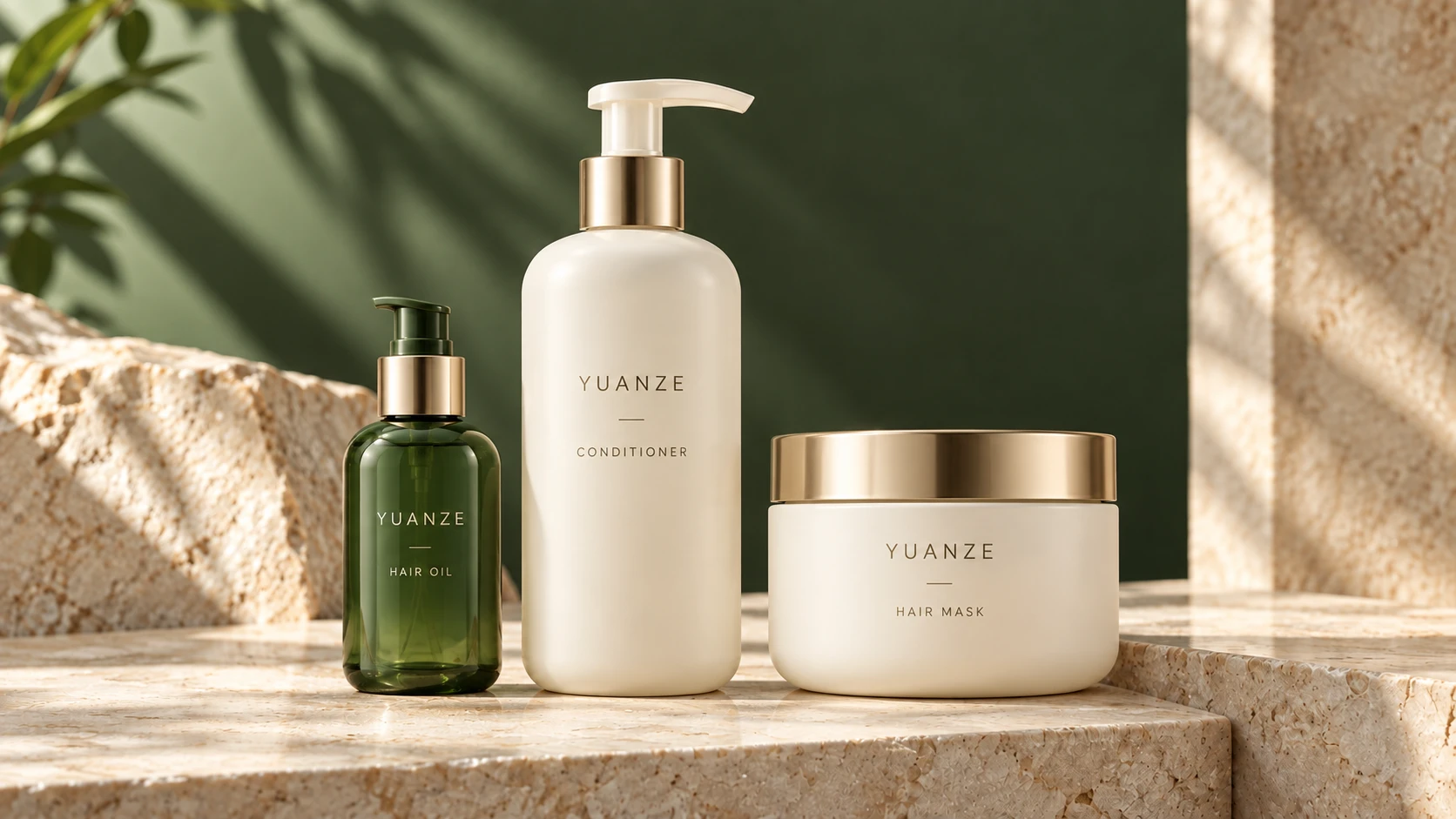
Product formats
Choose the format.
Shape the experience.
Conditioner, Hair Mask and Hair Oil represent three distinct care-format conversations. Use the intended texture, hair application and care sequence to select a project role; a package illustration does not establish a finished product, formula or instruction.
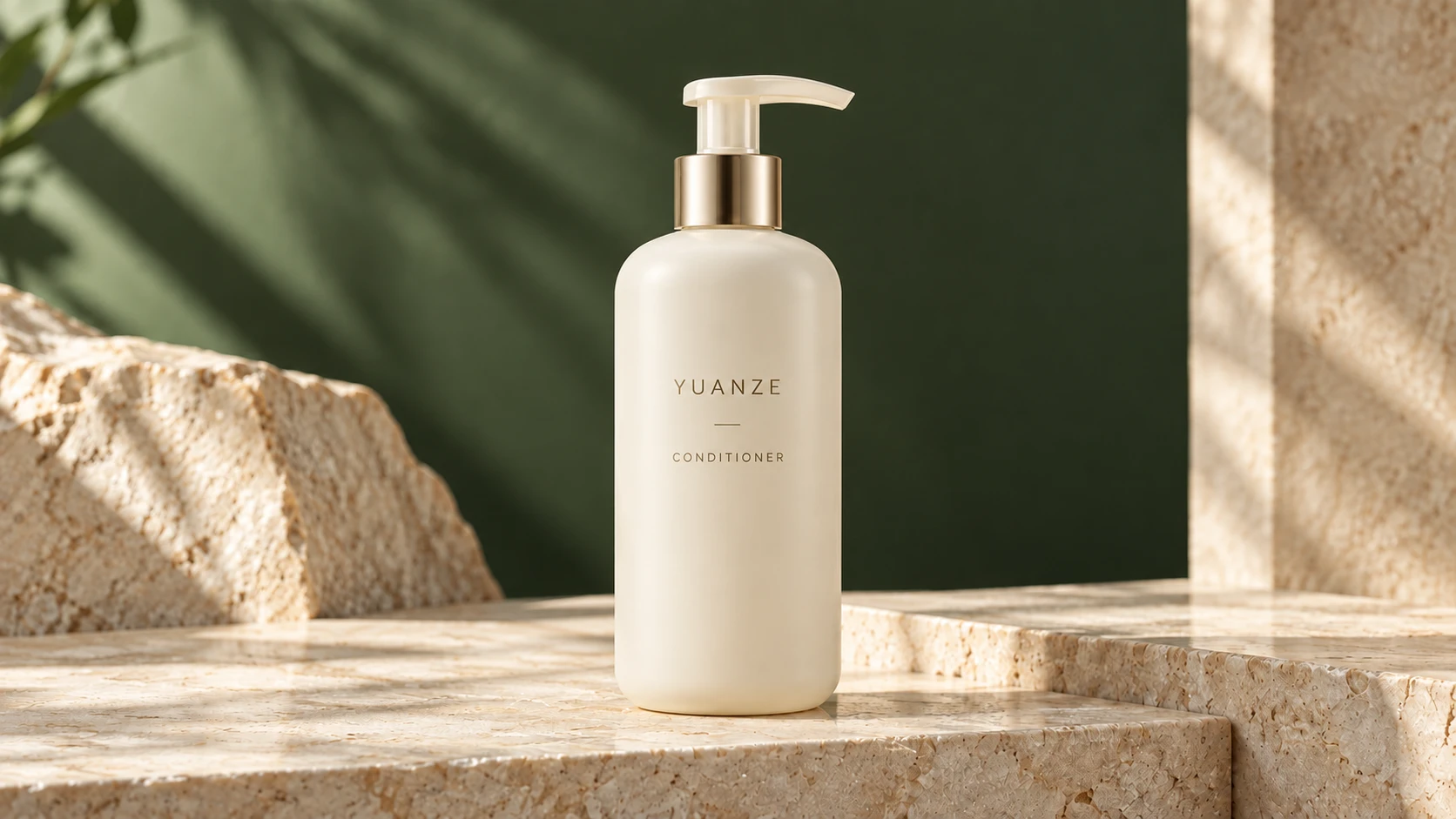
Conditioning Care
A conditioner brief connects conditioning texture with the buyer’s hair-care benchmark and a proposed rinse-off conversation. Keep the intended application, composition and handling separate from richer mask or oil care.
Format & development notes
Define the intended conditioning project, texture and rinse-off sample benchmark. Discuss handling, application and sample feedback as review variables; the format name does not guarantee manageability, universal suitability or repair.
A bottle or pump is a packaging reference, not a confirmed available configuration or composition. Review the proposed sample with flow, closure, material and dispensing. Use the dedicated Conditioner resource for a narrower format brief.
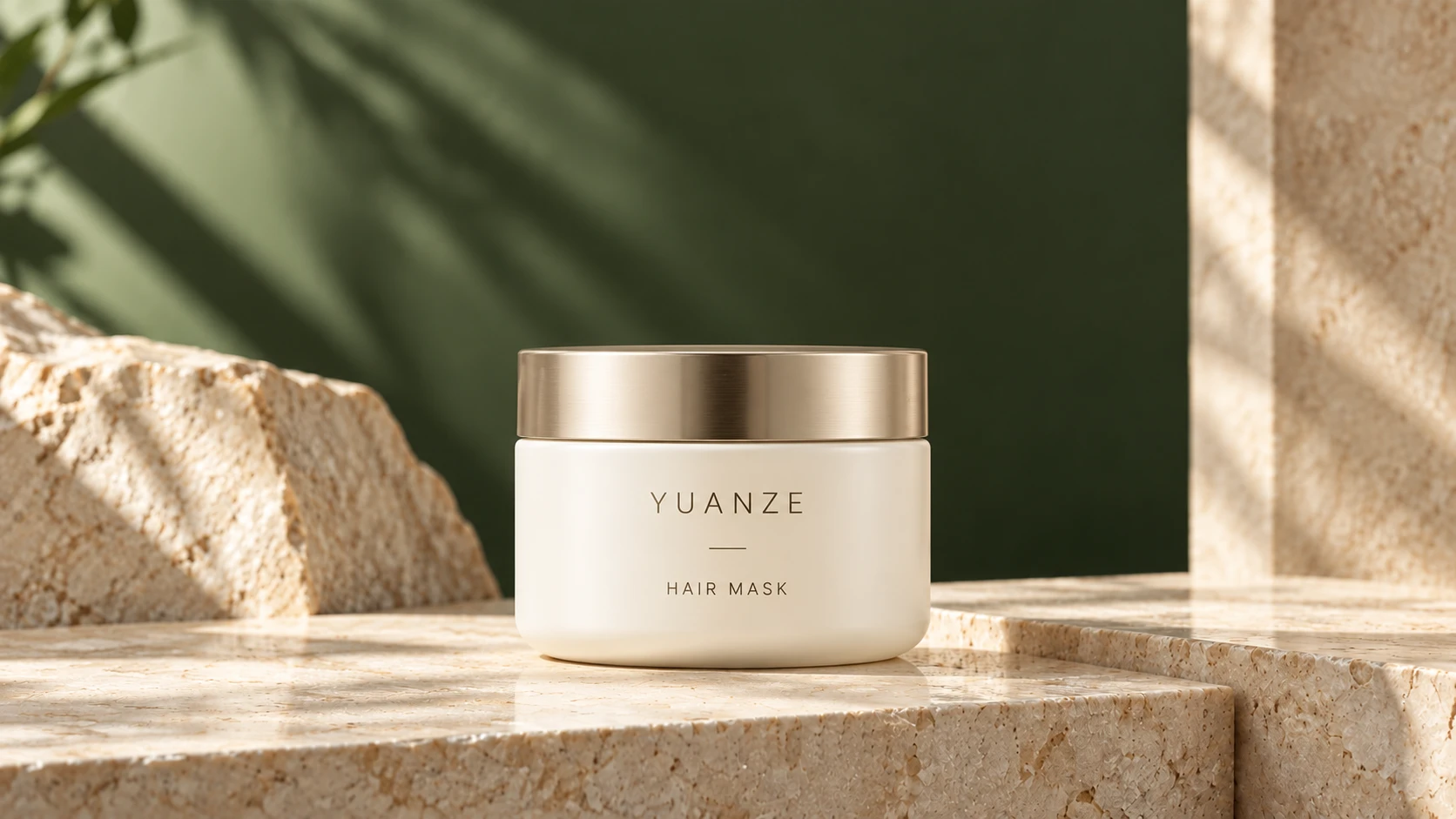
Richer Treatment Care
A hair-mask brief begins with a richer texture and a separate care application. Explain the hair-condition context and intended sample review, rather than treating a mask as a larger conditioner or assigning a repair outcome.
Format & development notes
Compare a proposed mask texture with the buyer’s care benchmark and intended application. Agree the relevant sampling and handling questions for the actual composition; richer treatment is a format conversation, not a verified repair result.
The jar illustrates access and containment, not contact time, amount or use frequency. Review the sample with lid, material and compatibility, and agree application guidance during development. Keep those decisions separate from the conditioner routine.
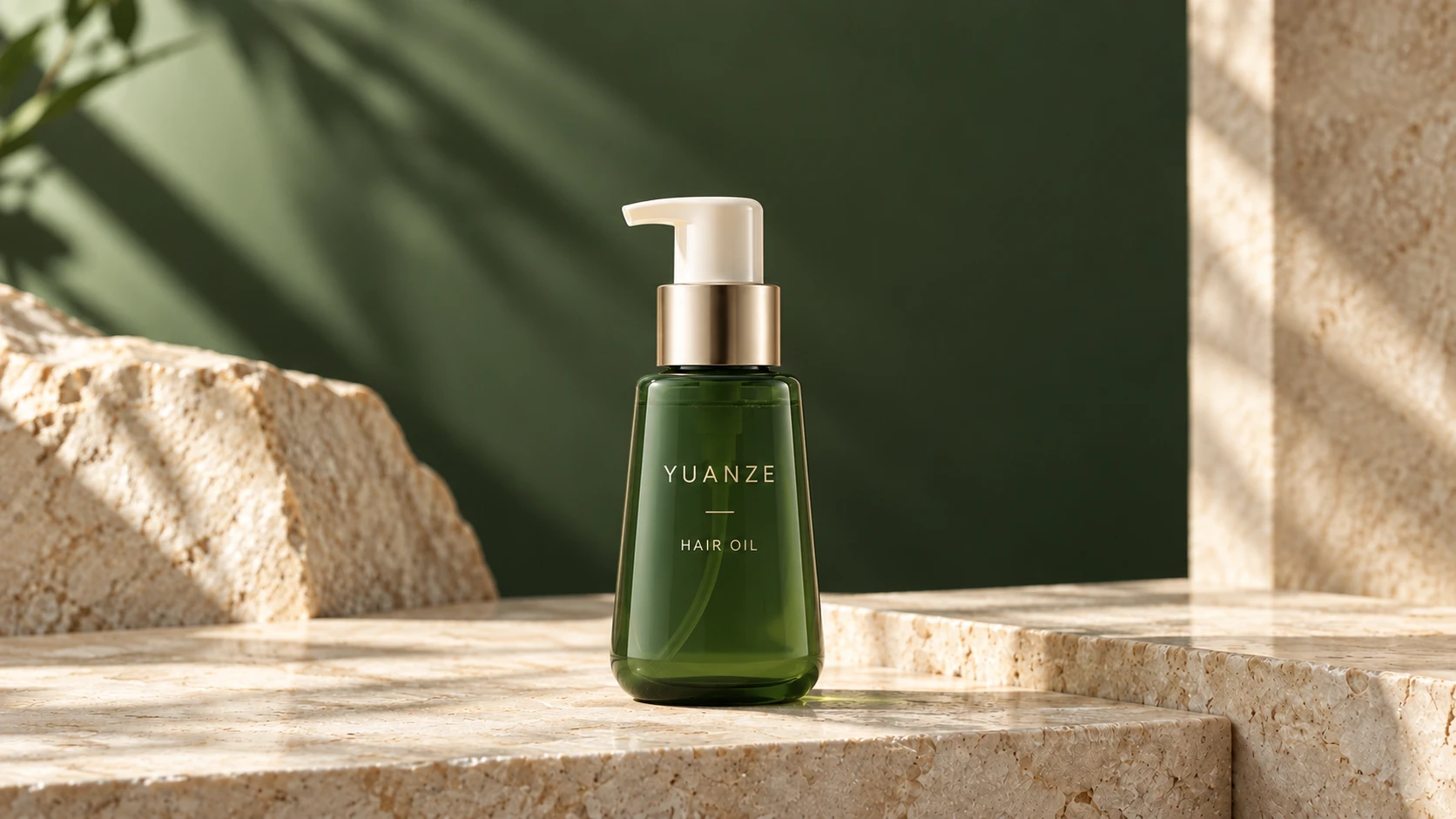
Oil & Finishing Care
An oil-care brief distinguishes lighter finishing references from a richer care benchmark. Both remain Hair Oil conversations with their own ingredient lists, texture and pump-dispensing review; neither becomes a conditioner or mask formula.
Format & development notes
Discuss the intended oil-based care application and choose a lighter or richer texture benchmark. Compare the proposed sample’s movement and handling, keeping ingredient priorities attached to the selected oil direction.
The compact pump bottle supports dispensing and compatibility discussion, not a dose, use routine or available stock specification. Use the Hair Oil resource for the format brief; the illustration is not a serum, scalp applicator or substitute for conditioning care.
Formula & texture
Start with a care brief.
Choose the format deliberately.
Conditioning, mask care and oil-based care need different sample and application questions.
Conditioning & Manageability
Frame a conditioning project around the buyer’s hair-condition benchmark and the desired handling of a proposed sample.
Damage-Care Reference
Define the damaged or color-treated hair context the buyer wants to discuss, then compare conditioner, richer mask or oil-care benchmarks.
Lightweight Oil / Shine Reference
Start an oil-based care discussion with the lighter texture and finishing benchmark the buyer wants to compare.
Richer Oil-Care Reference
Build a richer oil-care brief around the intended texture benchmark and hair-condition context.
More ingredient & format references
Conditioner / Formulation Brief
Start with the conditioning texture, rinse-off benchmark and application priorities. Agree the actual composition and ingredient discussion during formulation review; the format does not establish a fixed ingredient combination.
Hair Mask / Formulation Brief
Define the richer texture and proposed care sequence before reviewing ingredient priorities. Keep the mask composition and sample questions separate from conditioner and oil care; the jar is not a formulation specification.
Lightweight / Hair Oil
Jojoba Oil, Coconut Oil and Vitamin E remain with the lighter oil-care reference. Compare the proposed texture and application with the buyer’s benchmark; these are discussion inputs, not an instant-result guarantee.
Jojoba Oil · Coconut Oil · Vitamin E
Richer / Hair Oil
Argan Oil, Shea Butter and Vitamin E remain with the separate richer oil-care conversation. Review the actual composition, texture and use guidance without combining this list with the lighter oil reference.
Argan Oil · Shea Butter · Vitamin E
Ingredient identity, concentration, combinations, application guidance, packaging compatibility and public wording are reviewed for the actual project. These references do not establish a fixed formula, available finished product, clinical evidence or verified effectiveness.
Packaging & presentation
Let the presentation
follow the product.
Match the pack to the selected care format. Conditioner dispensing, mask-jar access and an oil pump require different texture, closure and containment questions. Review the proposed sample and component together instead of treating one system as universal.
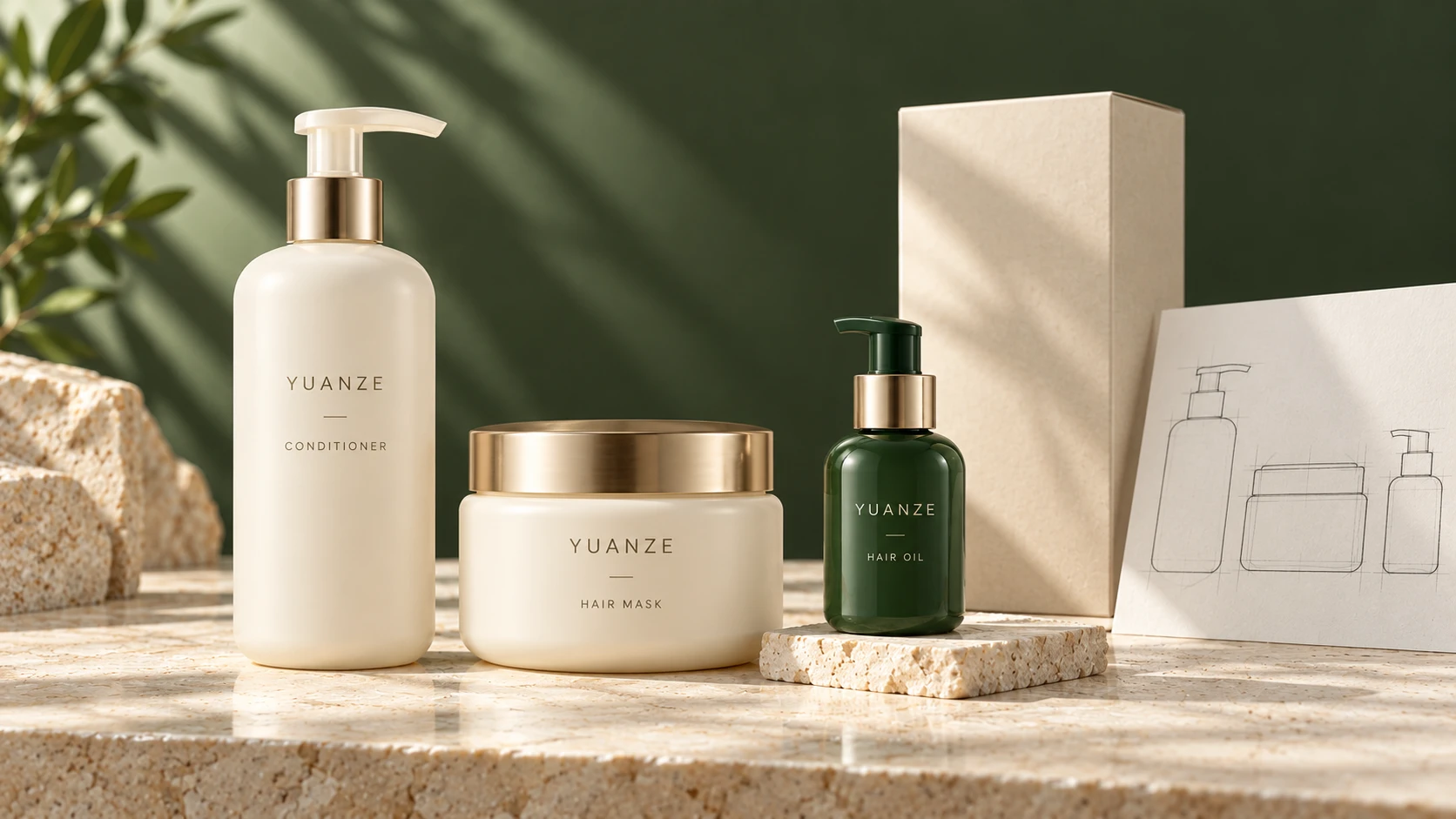
For conditioner, review bottle, pump or closure with the sample’s flow and intended handling. For a mask, review jar access, lid and containment with the richer texture. For oil, connect pump dispensing and bottle material with the actual composition. Agree decoration, secondary presentation and compatibility for the selected configuration.
Explore PackagingCustomization
Your references.
A considered brief.
Prepare the care direction, physical format, intended application, texture benchmark and packaging reference. Separate your starting inputs from the formulation, compatibility and wording questions that still need project review.
Care direction
Define conditioning/manageability, a damaged-hair care reference, lighter oil or richer oil care as a development conversation. Share the target market and hair-condition benchmark without turning the direction into a promised result.
Physical format & texture
Choose Conditioner, Hair Mask or Hair Oil deliberately. Describe the proposed movement, richness and handling of the sample, keeping bottle, jar and oil-pump presentations distinct rather than treating them as interchangeable.
Hair application & care sequence
Explain where and how the proposed sample will fit into a care routine. Agree rinse-off handling for conditioner and the intended mask or oil application during development; do not infer amount, contact time or frequency from packaging.
Packaging & dispensing
Bring a conditioner bottle or pump, hair-mask jar, or compact hair-oil pump reference. Review access, containment, closure, decoration and material compatibility with the actual sample; illustrations do not confirm stock components.
Development & review scope
Explain whether you have a concept, formulation, benchmark or packaging design. Share ingredient priorities, estimated quantity, intended schedule and public wording as project inputs, then agree sampling, review and handoff responsibilities.
Product development
From your idea
to production preparation.
Carry the care brief from direction and format through sample development, packaging, quality review and manufacturing preparation.
- 01
Brief
Category, market and product priorities.
- 02
Formula
Direction and development review.
- 03
Sample
Application reference and sample feedback.
- 04
Packaging
Component and compatibility review.
- 05
Review
Documentation and approval inputs.
- 06
Production preparation
Approved configuration and quality requirements.
Yuanze proof
Development. Quality.
Manufacturing.
Real Yuanze environments connect the product conversation with the work behind it.
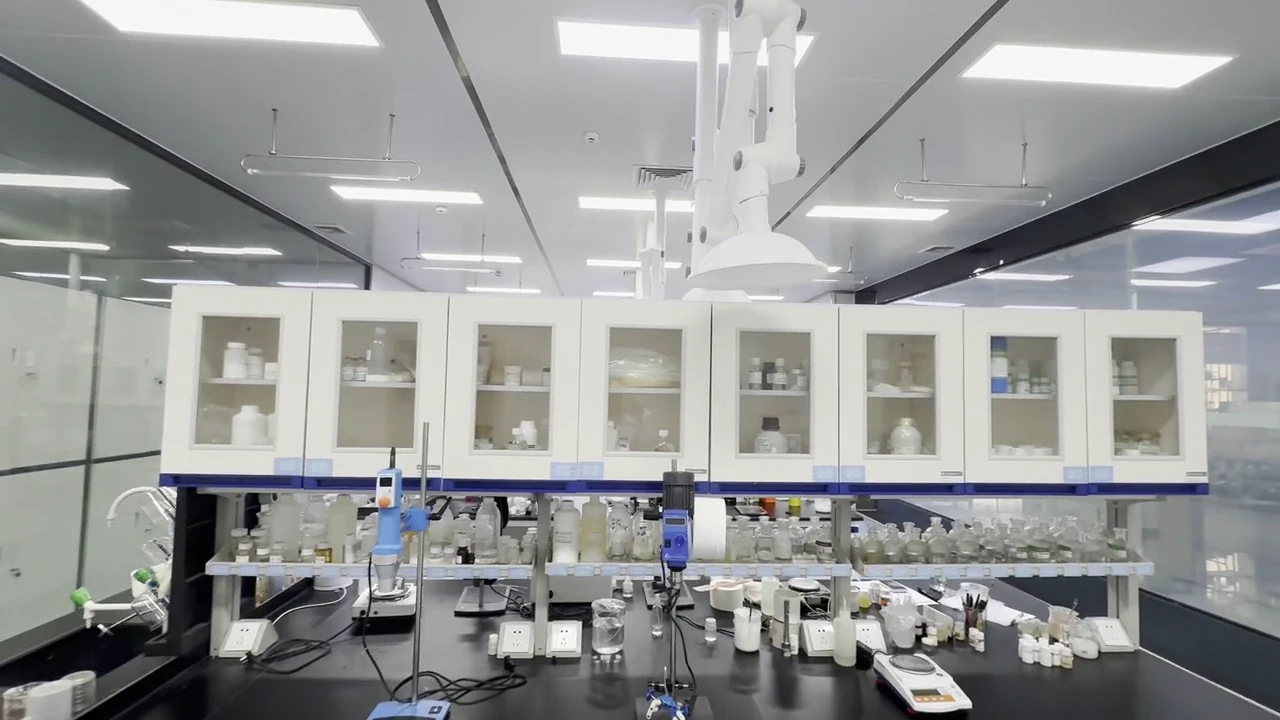
Product Development
Connect formula and application references with sampling and development review.
Explore Product Development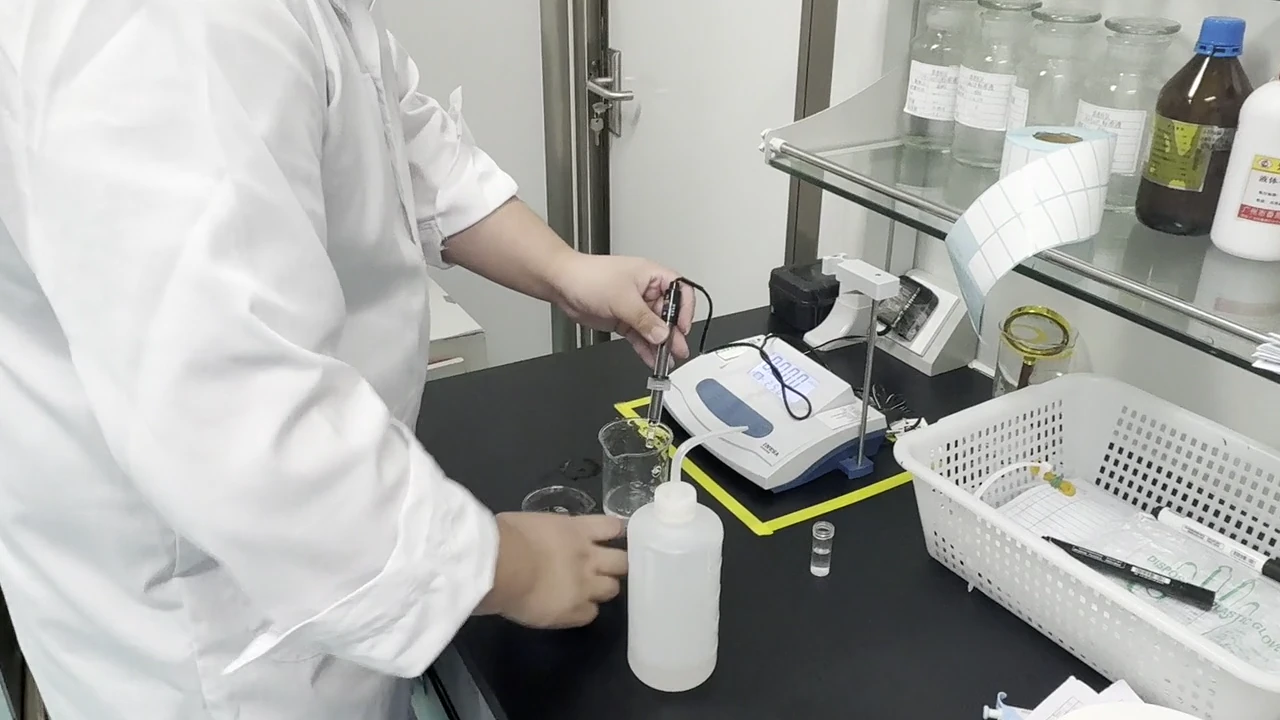
Quality
Define formulation, hair application and packaging review for the proposed conditioner, mask or oil sample.
Explore Quality
Manufacturing
Bring the approved conditioner, hair-mask or hair-oil formulation and packaging into manufacturing preparation.
Explore ManufacturingRelated products
Continue the
product conversation.
Project questions
Before
we begin.
Which Hair Treatment formats can I discuss?
How does Conditioner differ from Hair Mask?
How does Hair Oil differ from conditioning and mask care?
Which care directions can I begin with?
What ingredient references belong to the lighter Hair Oil discussion?
What ingredient references belong to the richer Hair Oil discussion?
How should ingredient priorities be set for Conditioner or Hair Mask?
Can packaging define the care routine?
Where do scalp treatment and serum briefs fit?
How do quality review and manufacturing connect?
What should I prepare for a Hair Treatment brief?
Your next product
Bring the brief.
We'll map the evidence.
Share the format, market, texture and packaging references you want to develop.