Turn a texture reference into a usable brief
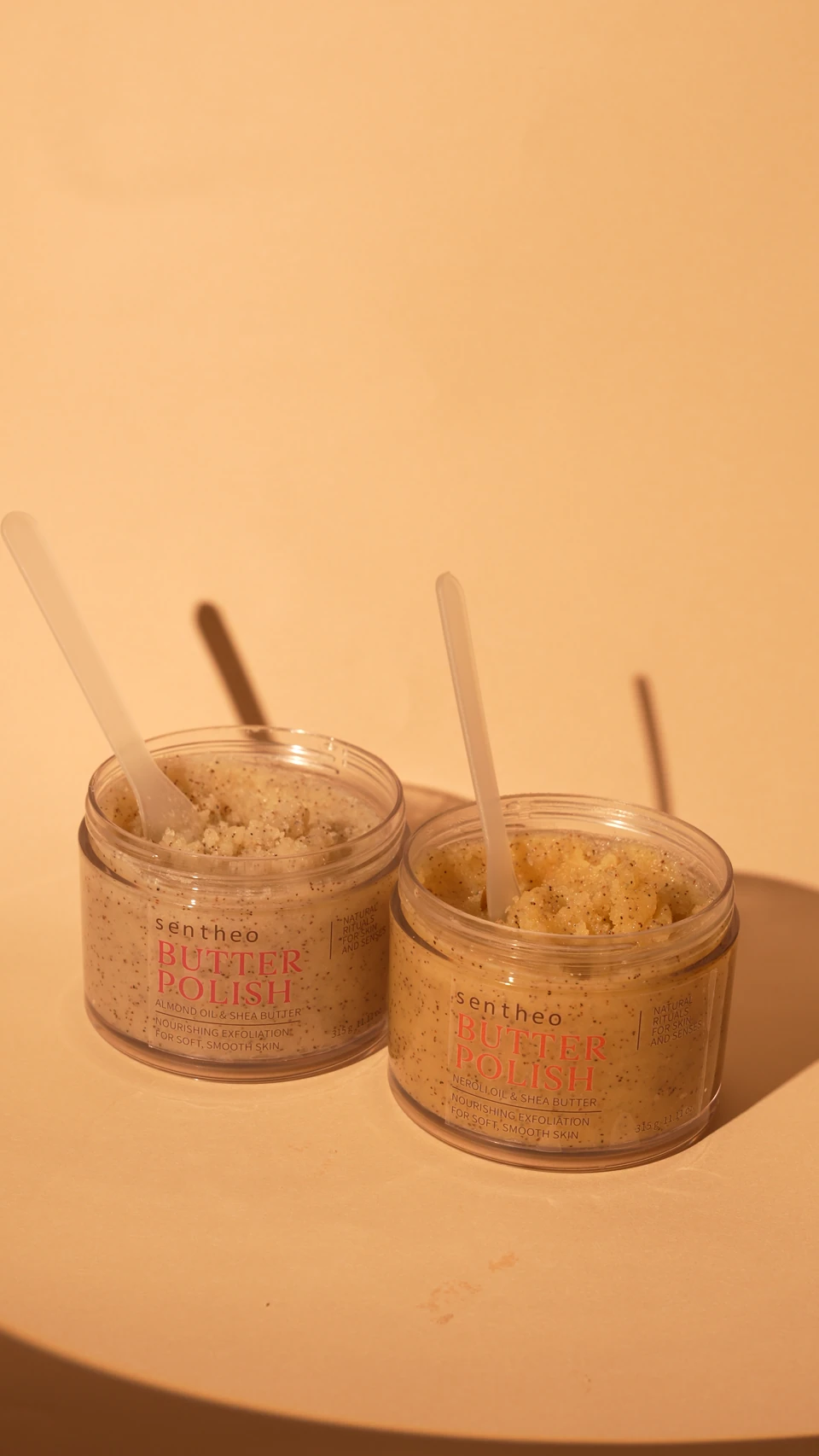
The two open jars pictured above show visible particles and access for a spatula. They give a buyer useful visual cues: the appearance of the grains, the way the product sits in the jar and the type of opening. They do not tell us the particle composition or how the product feels in use.
Translate the reference into a short description of your own product. For example: visible grains, easy pickup, a base that spreads with wet hands and a lighter finish after rinsing. These are separate targets. Keeping them separate gives the formulator something more precise than “make it like this picture.”
Place the scrub in a routine as well. Is it a separate exfoliation step, or a cleansing scrub used in the shower? That choice helps focus the sample discussion without treating every attractive jar as the same product.
Sugar scrub vs salt scrub: compare more than the name
Sugar and salt can each be supplied in different particle grades. The surrounding base and the amount of particles also belong in the comparison. A familiar ingredient name is therefore a starting point, rather than a complete description of the finished scrub.
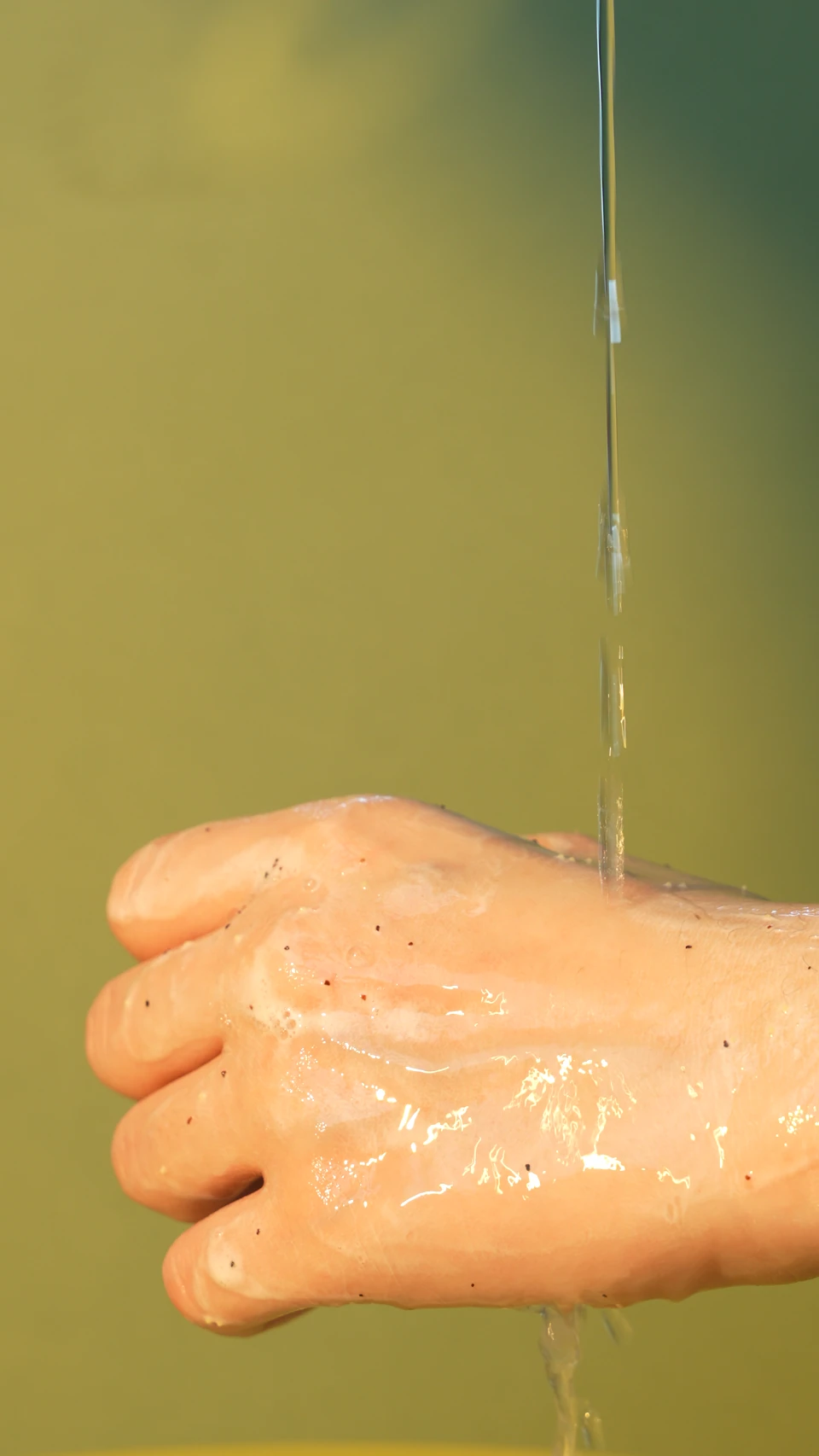
Compare samples against one benchmark and one intended routine. Note the initial grain feel, how the product spreads as water is introduced and what remains after rinsing. A dry swatch alone leaves the wet-use experience unanswered. Keep the review conditions consistent enough to make the feedback useful.
| Observe | Replace vague feedback with |
|---|---|
| Grain feel | “The particles are more noticeable than our benchmark.” |
| Spreading | “The base needs more water before it spreads evenly.” |
| Rinse-off | “We want a lighter finish than this version leaves.” |
Choose the opening with a filled sample
A wide-mouth jar and a bottle create different handling routines. The jar offers direct access; a bottle directs the product through an outlet. Neither format should be approved from its appearance alone. Use the proposed formula in a representative pack to see how the combination behaves.
For a jar, look at opening, pickup, closure and the liner or inner cover where specified. For a bottle or tube, look at the outlet, the consistency of dispensing and the residue around the opening. Include the way the pack is handled with wet hands.
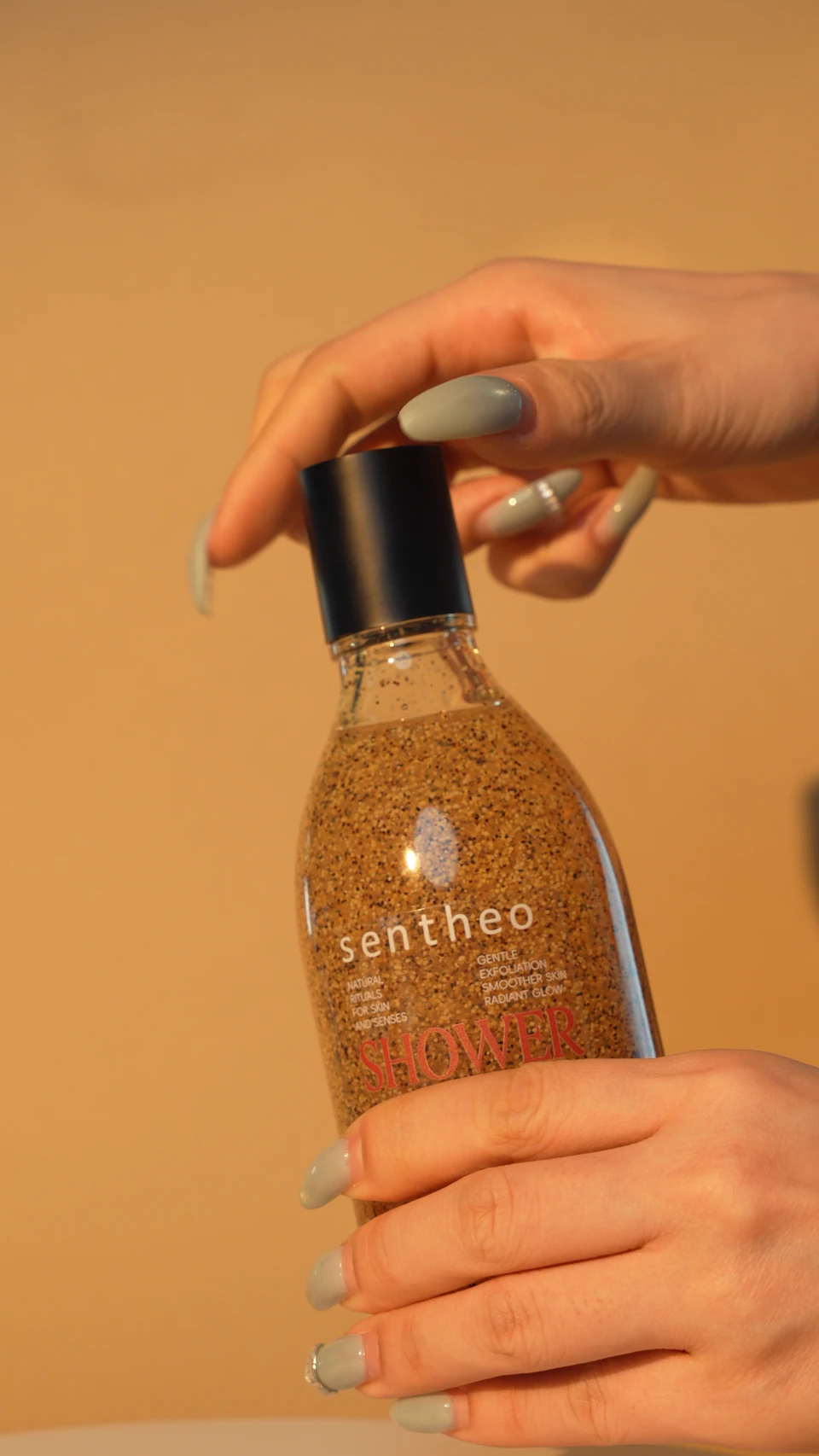
The bottle pictured here is another product reference, not a different container for the scrub shown in the opening image. Moving a concept from a jar to a bottle calls for a fresh formula-and-pack discussion. The cosmetic packaging guide covers the wider component brief.
Make the body scrub quotation comparable
Send each supplier the same fill weight, texture direction, fragrance variants, pack and quantities. A unit price means more when it refers to the same finished configuration. List the formula, filling, decoration, cartons and development work included, then identify anything priced separately.
A range with several fragrances or artwork versions needs quantities by variant. Packaging-component minimums and finished-product minimums may be different, so keep those questions separate. The private label MOQ guide explains the broader purchasing decisions.
Before approving the next stage, record the sample reference, the agreed change and the pack used for evaluation. Sensory approval and the technical release requirements are different decisions; both need a clear owner. Link the record to your sampling process so a later packaging change does not lose the agreed texture direction.
A concise body scrub development brief
Use these points to organise the first supplier discussion.
- Target market, routine and one benchmark product.
- Particle appearance and feel, base and desired rinse-off finish.
- Preferred fill weight, jar or bottle and closure details.
- Quantities by fragrance and artwork, plus the sampling work required.
Buyer questions
Is sugar always gentler than salt in a body scrub?
The ingredient name alone does not establish gentleness. Compare the proposed particle grade, level and complete base for the intended routine; do not infer the finished experience from a photograph.
Can the same body scrub be sold in a jar and a bottle?
Treat them as two formula-and-pack configurations. Evaluate pickup and dispensing in each intended container before approving both formats.
What is the most useful feedback after the first sample?
Identify the sample version and the stage that needs changing: pickup, grain feel, spreading or rinse-off. State what should stay the same as well.
Give your body scrub concept a clearer starting point
Bring your benchmark, grain and rinse priorities, preferred pack and quantities to a discussion with YUANZE.
Explore body scrub development