Give “rich” a more precise meaning
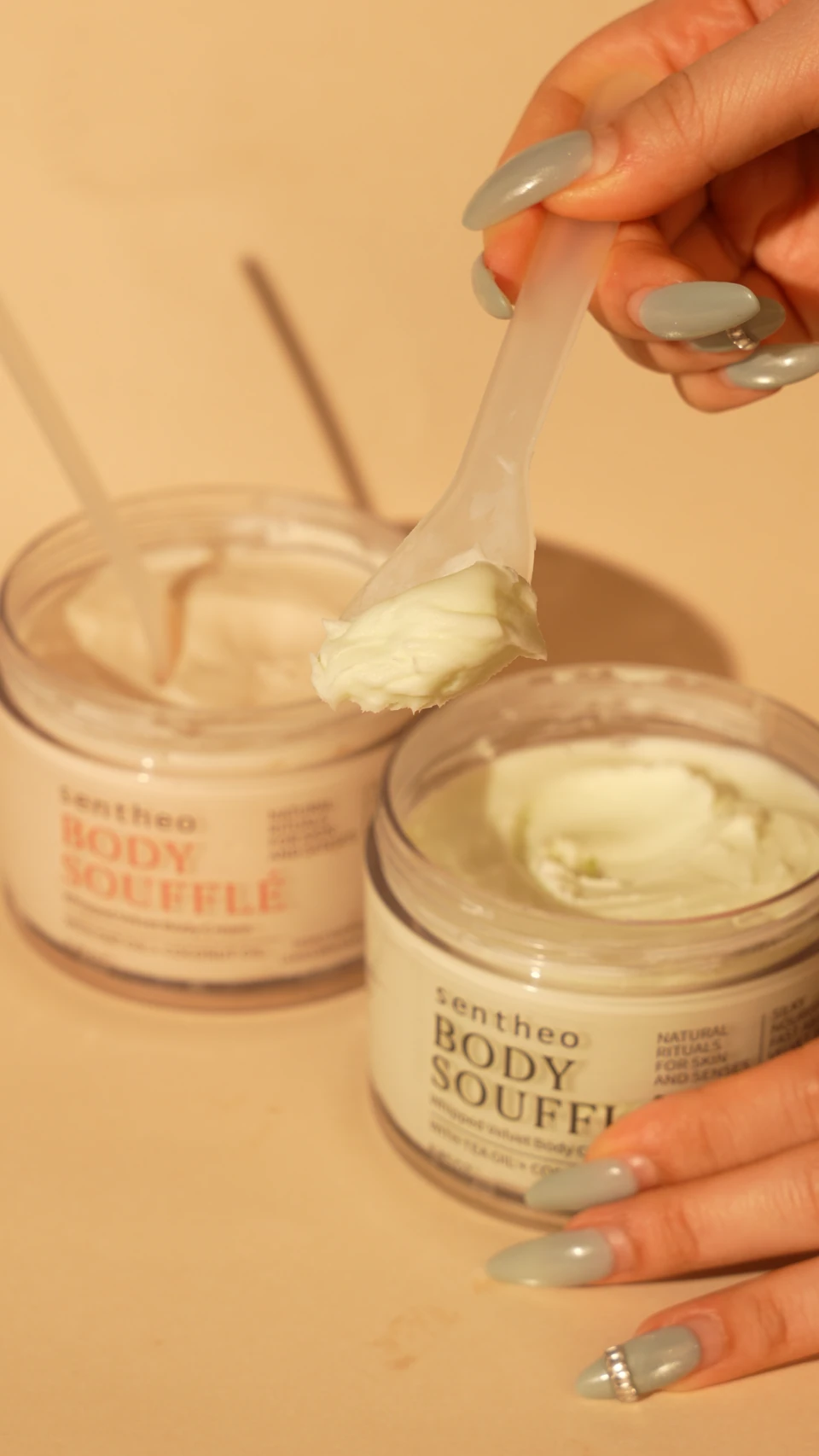
The scoop in the opening photograph gives us a visible reference for pickup: the cream is lifted from a jar and retains a defined shape in that moment. It does not establish absorption, lasting moisturisation or the formula system. Those questions need different evidence.
A useful brief might request a defined scoop, easy glide during application and less tack than a chosen benchmark. Each preference describes a different stage. If a sample feels “too heavy,” identify whether the issue is resistance during spreading or the finish that remains afterward.
Use the same agreed application method when comparing versions, including the amount applied and the point at which observations are recorded. This turns a personal impression into feedback the development team can act on.
| Stage | A useful question |
|---|---|
| Pickup | Should the cream lift in a defined scoop or leave the pack more softly? |
| Spreading | How much glide or resistance fits the intended application? |
| After-feel | What level of richness, tack and surface shine suits the routine? |
Body cream vs body butter: clarify the formula system
Names such as body butter, soufflé and whipped cream describe a product direction, but they do not replace a formulation brief. In particular, a body-butter name should not be treated as proof that a product is water-free. Emulsified body-butter development examples exist.
The development team should identify whether the proposed concept is an emulsion or an anhydrous system, and explain how that choice relates to the desired experience. The ingredient information and product specification belong to the actual sample, rather than to a name or a reference image.
Keep the commercial description and the texture targets connected. A customer-facing name may stay the same while a sample is refined; the formula version and approval record still need to identify exactly what was evaluated.
Bring the jar, tube or pump into the sample review
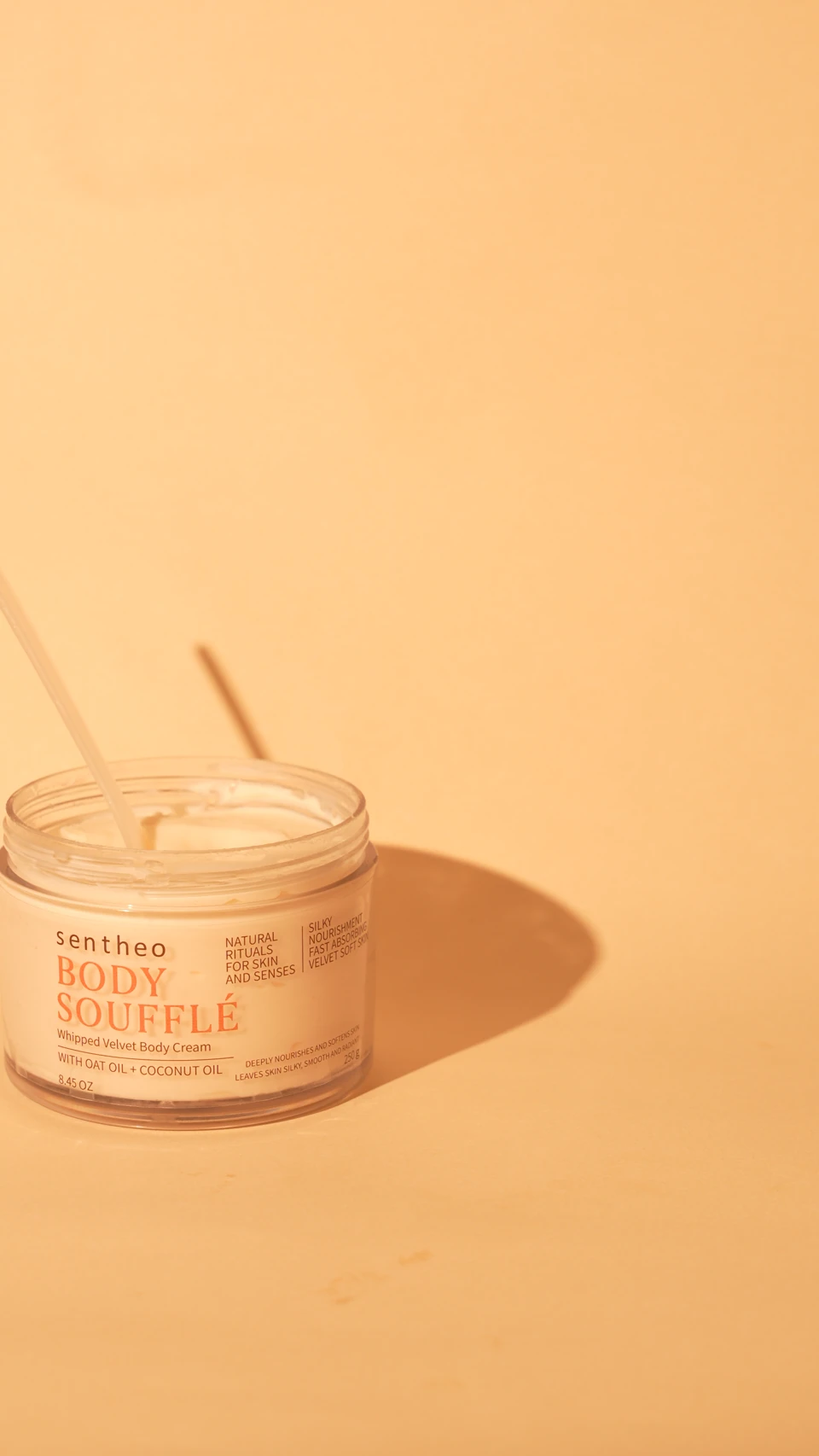
A jar gives direct access for scooping. A tube offers a squeeze-led routine, while a pump adds priming and dose-delivery questions. Decide which experience suits the range, then evaluate the proposed formula in the actual component. A single visual texture test cannot establish pump compatibility.
Include the complete closure system. Observe product delivery, closure fit, leakage and how the exterior is handled during use. Storage and transport checks should be defined for the proposed formula-and-pack combination rather than borrowed from another product.
If the container changes, identify which earlier approvals need to be revisited. The cosmetic packaging guide helps organise component details, while the sampling guide keeps changes tied to a sample version.
Build a coherent range without multiplying unknowns
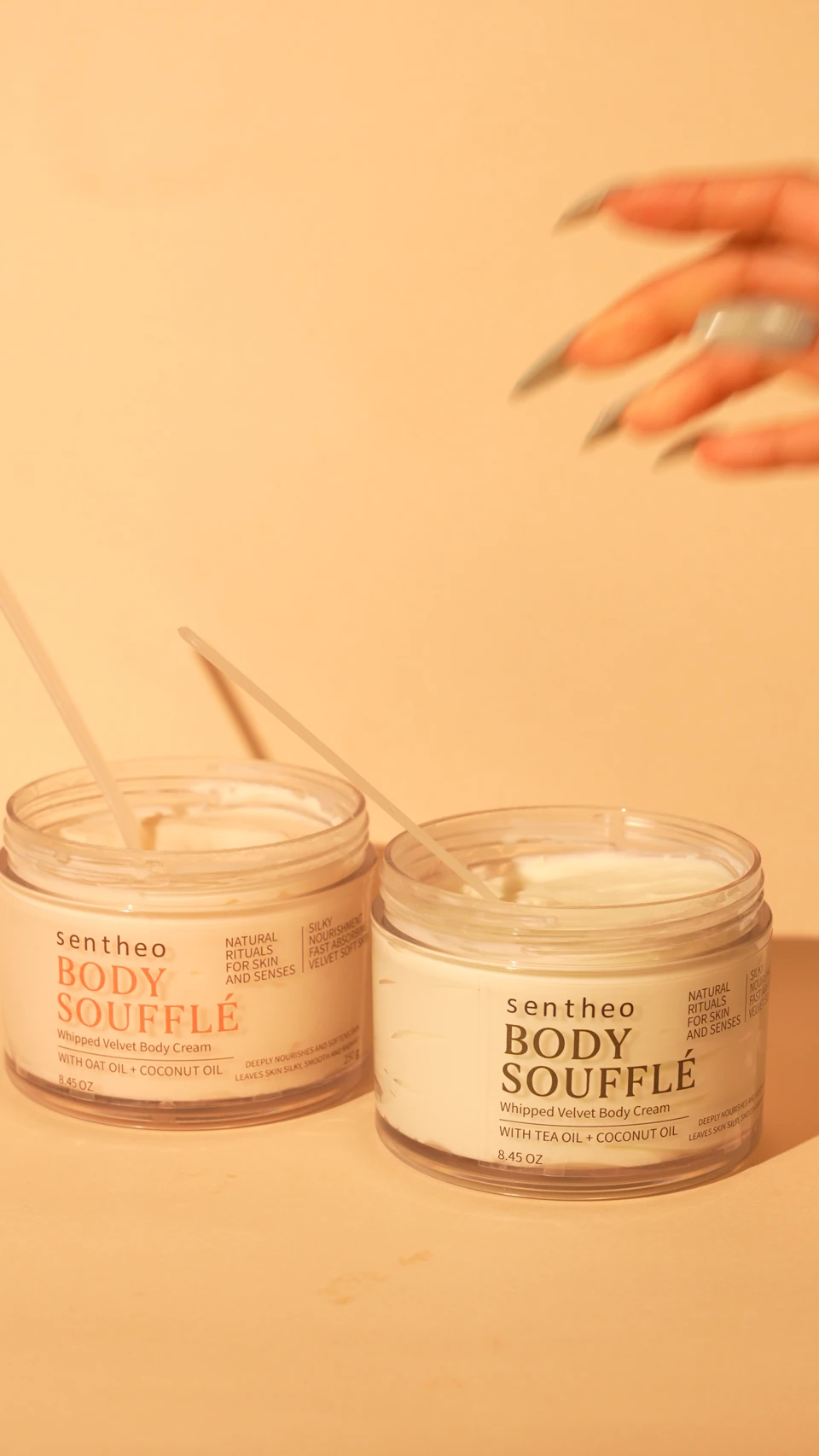
The paired jars in the photograph show how related products can share pack proportions and label hierarchy. For your own range, decide which features should stay consistent: fragrance direction, colour, fill size or presentation. The final textures can still serve different steps in a body-care routine.
Begin with a lead variant and a defined pack. Each additional fragrance, size or artwork version creates another configuration to cost and approve. Evaluate the chosen fragrance in the proposed cream instead of leaving that part of the experience until the end.
A comparable quotation identifies formula and sample scope, fill quantity, component, decoration and quantities by variant. Keep those commercial details alongside the agreed texture targets. Before production, the approval record should also identify the final formula, pack and artwork revisions and any outstanding technical work.
A concise body cream development brief
Use these points to organise the first supplier discussion.
- Target market, routine and one texture benchmark.
- Separate preferences for pickup, spreading and after-feel.
- Preferred formula direction, fragrance and jar, tube or pump.
- Fill sizes and quantities by variant, with a defined sample approval plan.
Buyer questions
Does body butter always mean an anhydrous formula?
No. Emulsified body-butter examples exist. Have the development team identify the actual formula system and ingredient information; the product name alone is insufficient.
Can a cream that holds a scoop be used in a pump?
The photograph does not answer that. Priming, product flow and dose delivery need to be evaluated with the chosen formula and pump.
Should every fragrance use the same approved sample?
Evaluate each proposed fragrance in its intended cream configuration. Record the formula and fragrance references so an approval clearly identifies the version it covers.
Translate your body cream idea into a useful brief
Share your benchmark, texture priorities, pack format and intended range with YUANZE to discuss the development direction.
Explore body cream development